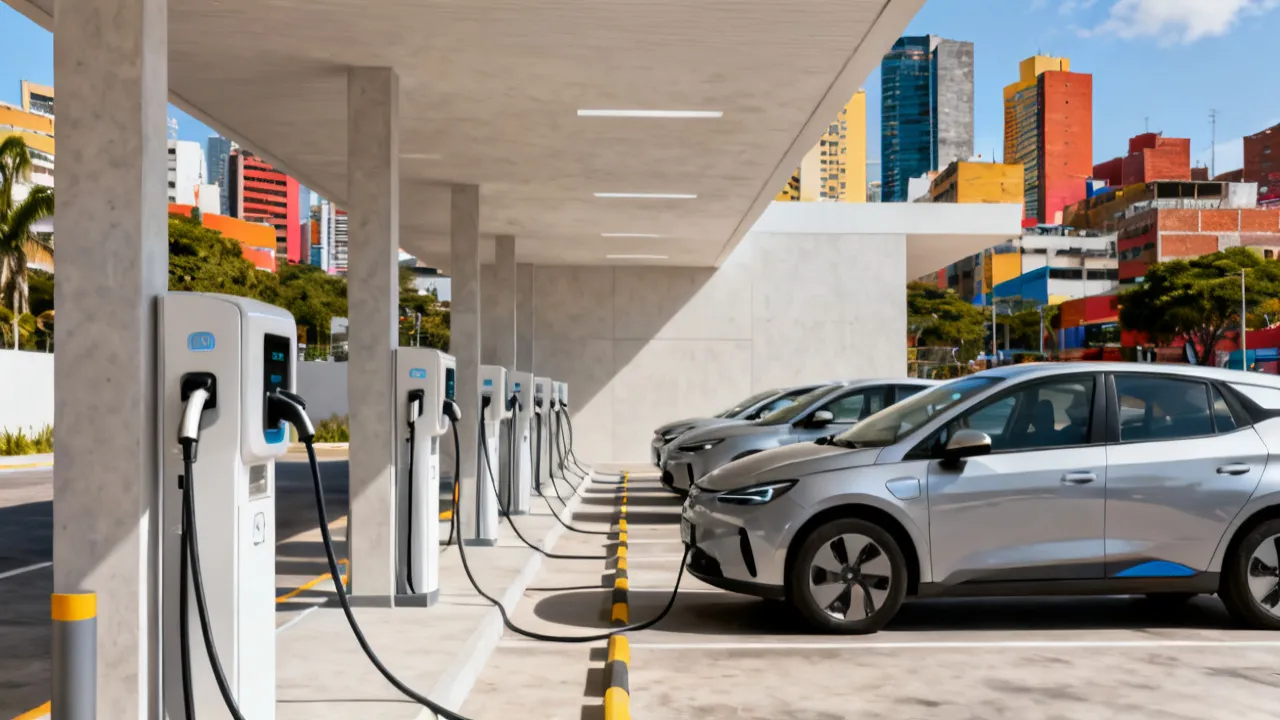

Innovations in Nissan Electric Models
This article delves into the innovative world of Nissan electric models, highlighting their impact on the automotive industry. Nissan has been at the forefront of electric vehicle technology, consistently pushing the boundaries of design, efficiency, and sustainability. We explore the latest models, technological advancements, and the company's commitment to a greener future, offering valuable insights from an expert perspective.
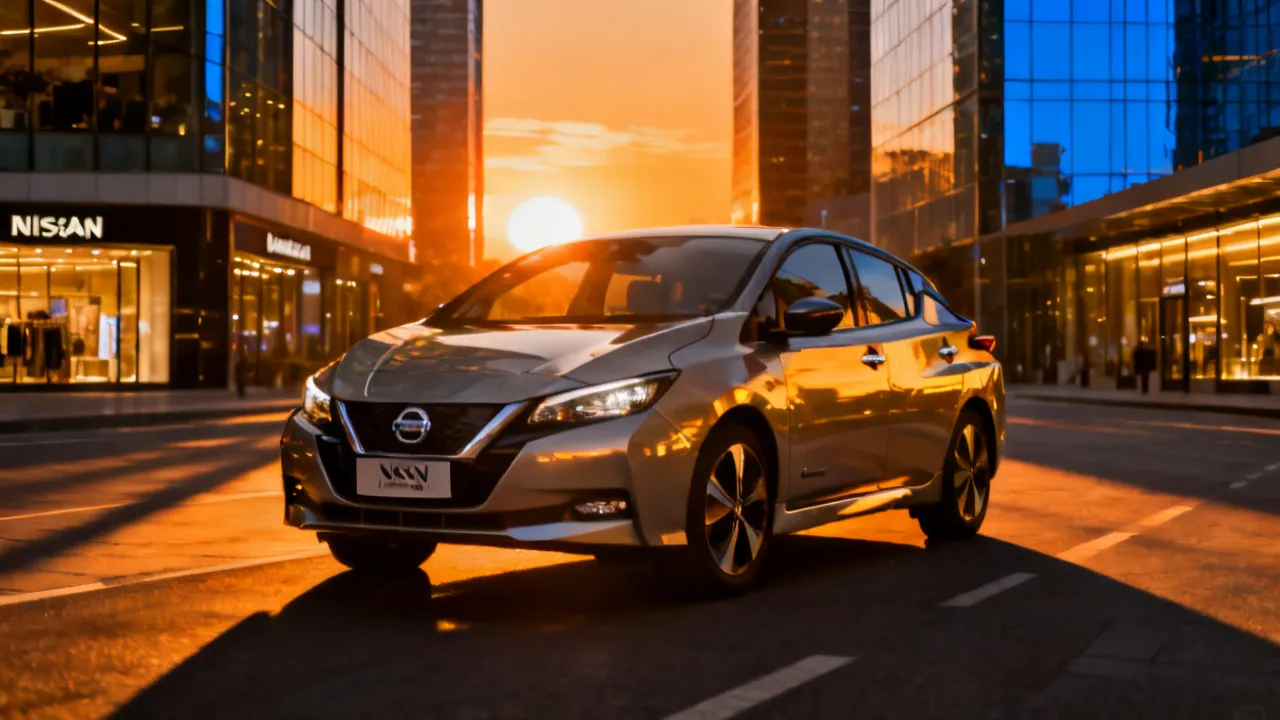
Exploring the Revolution of Nissan Electric Models
Nissan has consistently demonstrated a strong commitment to revolutionizing the automotive industry with its innovative electric vehicle (EV) models. From the groundbreaking Nissan Leaf to the latest entries in their electric lineup, Nissan electric models showcase not only advanced technology but also a steadfast dedication to sustainability and performance. As the automotive landscape continues to shift towards electrification, Nissan stands at the forefront of this movement, poised to deliver not just vehicles but a complete driving experience that minimizes environmental impact while maximizing driver satisfaction.
The Evolution of Nissan Electric Vehicles
The journey of Nissan in the electric vehicle sector began with the introduction of the Nissan Leaf in 2010, marking a significant milestone in automotive history. As one of the first mass-produced electric vehicles, the Leaf quickly set benchmarks for affordability, efficiency, and practicality. With over 500,000 units sold globally, it is a testament to Nissan’s ability to introduce an EV that resonates with a wide audience. Over the years, Nissan has expanded its electric model lineup, introducing new concepts and improved technologies to cater to a wider audience, including families, urban dwellers, and commercial operators. This evolution reflects a deeper understanding of consumer needs and an aggressive approach toward EV development.
Nissan’s electric vehicle initiatives don't just stop at passenger cars. The company has actively sought to innovate in various segments, including commercial vehicles and crossovers, thereby addressing multiple market demands. This dedication has transformed Nissan into a key player in the global transition to electric mobility.
Current Nissan Electric Models
The current range of Nissan electric models includes an impressive array of vehicles, each designed to meet the diverse needs of consumers. These models highlight the cutting-edge technology and proprietary innovations that Nissan employs to ensure high performance and reliability. The variety of options ensures that buyers can find an electric vehicle that fits their lifestyle, budget, and preferences.
- Nissan Leaf: The Nissan Leaf remains a flagship model, renowned for its efficiency and affordability. It offers a range of features designed to enhance the driving experience, including advanced driving assistance systems, improved battery capacity, and a spacious interior. With the introduction of the e+ model, drivers can enjoy an extended range of up to 226 miles, addressing one of the primary concerns of potential EV buyers—range anxiety.
- Nissan Ariya: The Ariya represents Nissan's foray into electric SUVs, combining sleek design elements with powerful electric performance. Launched recently, this model showcases Nissan's Intelligent Mobility features, providing a glimpse into the future of driving with cutting-edge semi-autonomous capabilities. With seating capacity for up to five passengers and ample cargo space, the Ariya is designed for families and adventurers alike.
- Nissan e-NV200: A versatile offering in the electric van segment, the e-NV200 combines practicality with eco-friendliness, making it an ideal choice for businesses looking to reduce their carbon footprint. It features a flexible cargo space that can adapt to various business needs, all while ensuring zero emissions during operation. With its efficient electric drive system, the e-NV200 helps businesses achieve sustainability goals while maximizing productivity.
Technological Innovations in Nissan Electric Models
At the heart of Nissan's electric models lie numerous technological innovations that set them apart from competitors. From enhanced battery technology to cutting-edge autonomous driving capabilities, Nissan continues to lead the industry towards a more sustainable future. This commitment to innovation is not only about developing electric vehicles, but also about enriching the overall driving experience.
One key innovation is the e-Pedal, found in models like the Nissan Leaf, which allows drivers to accelerate and decelerate using a single pedal, enhancing convenience and reducing energy consumption. This feature is designed to simplify driving in urban environments, allowing for a smoother and more intuitive driving experience in stop-and-go traffic. Additionally, Nissan's ProPILOT Assist technology offers semi-autonomous driving features, providing an added layer of safety and reducing driver fatigue. This system helps with steering, acceleration, and braking on well-marked highways, making long drives less stressful and more enjoyable.
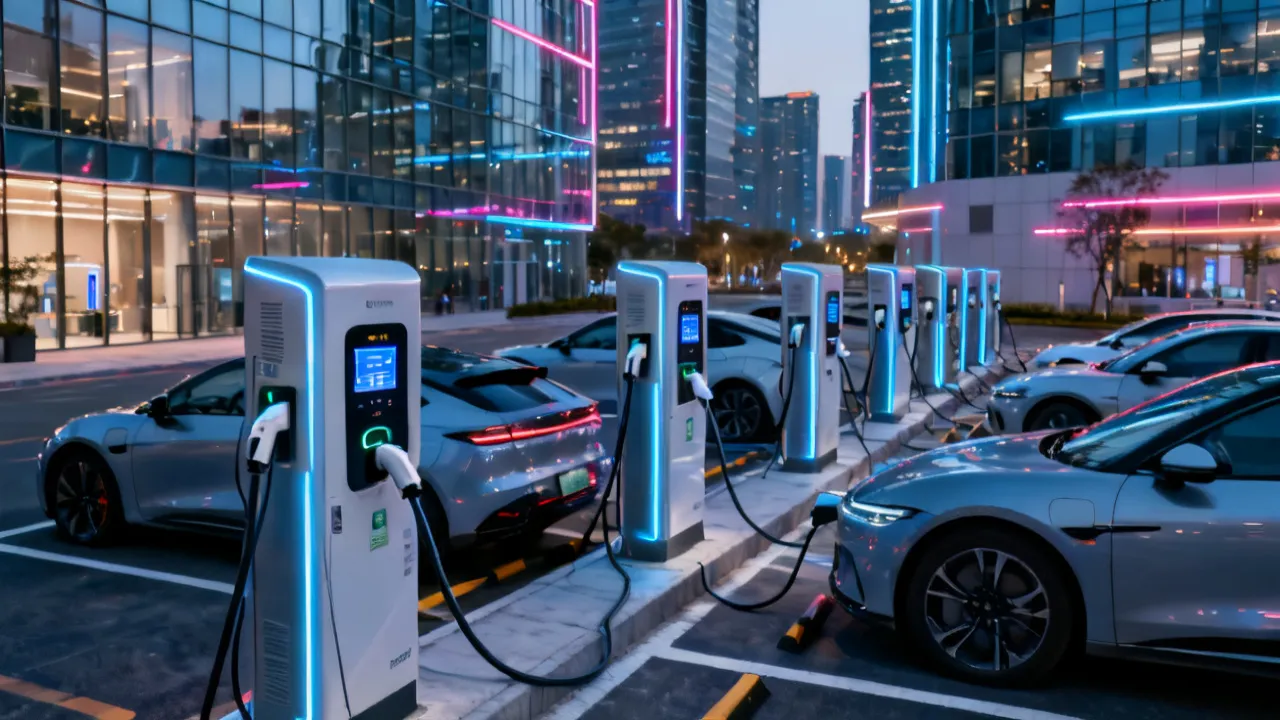
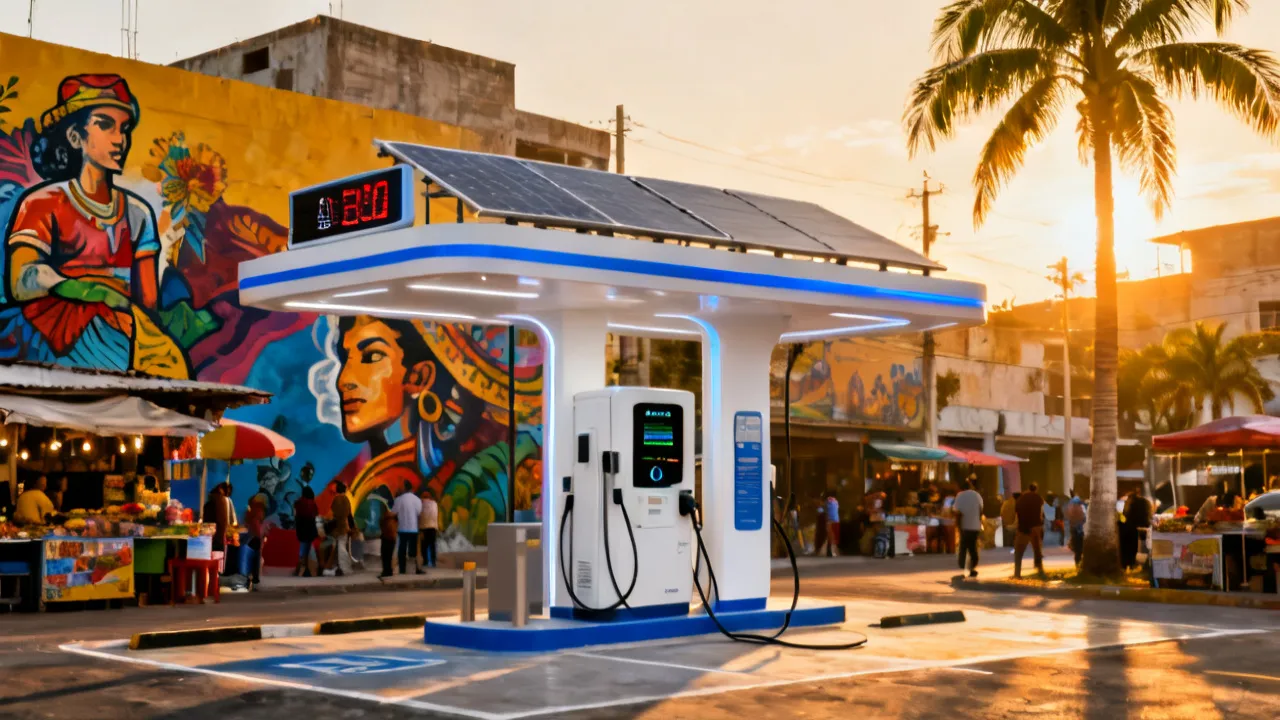
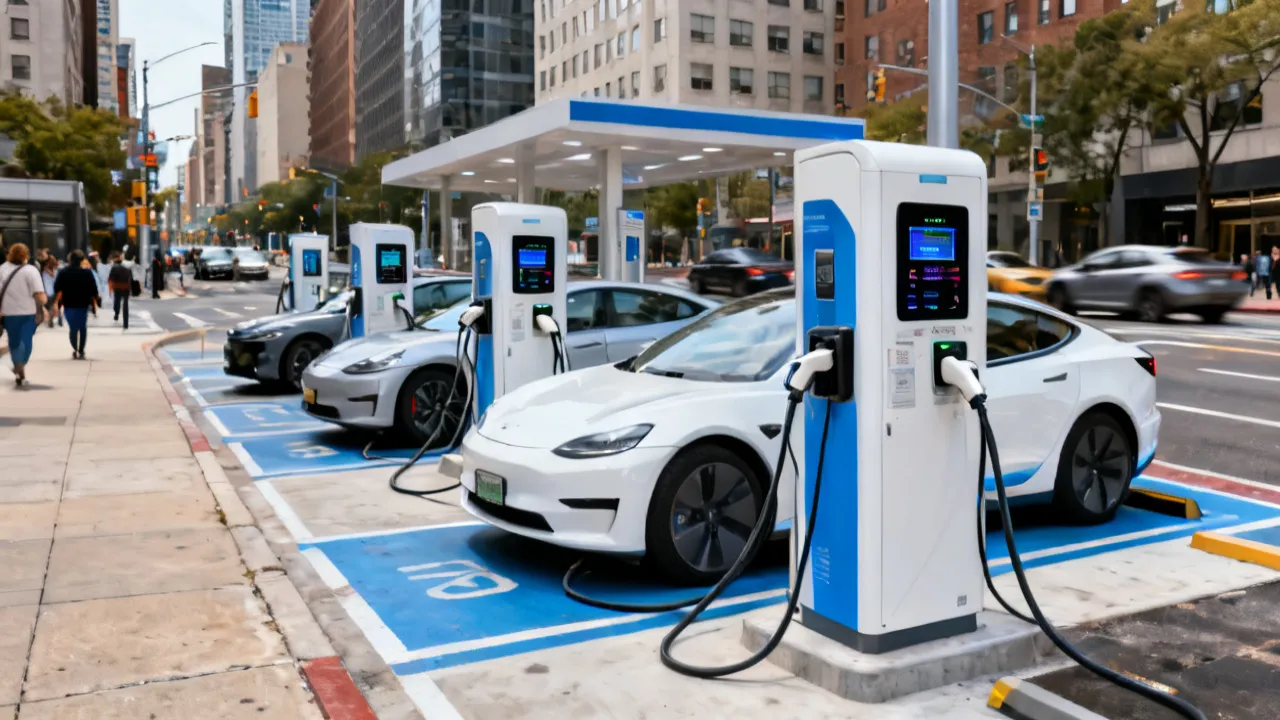
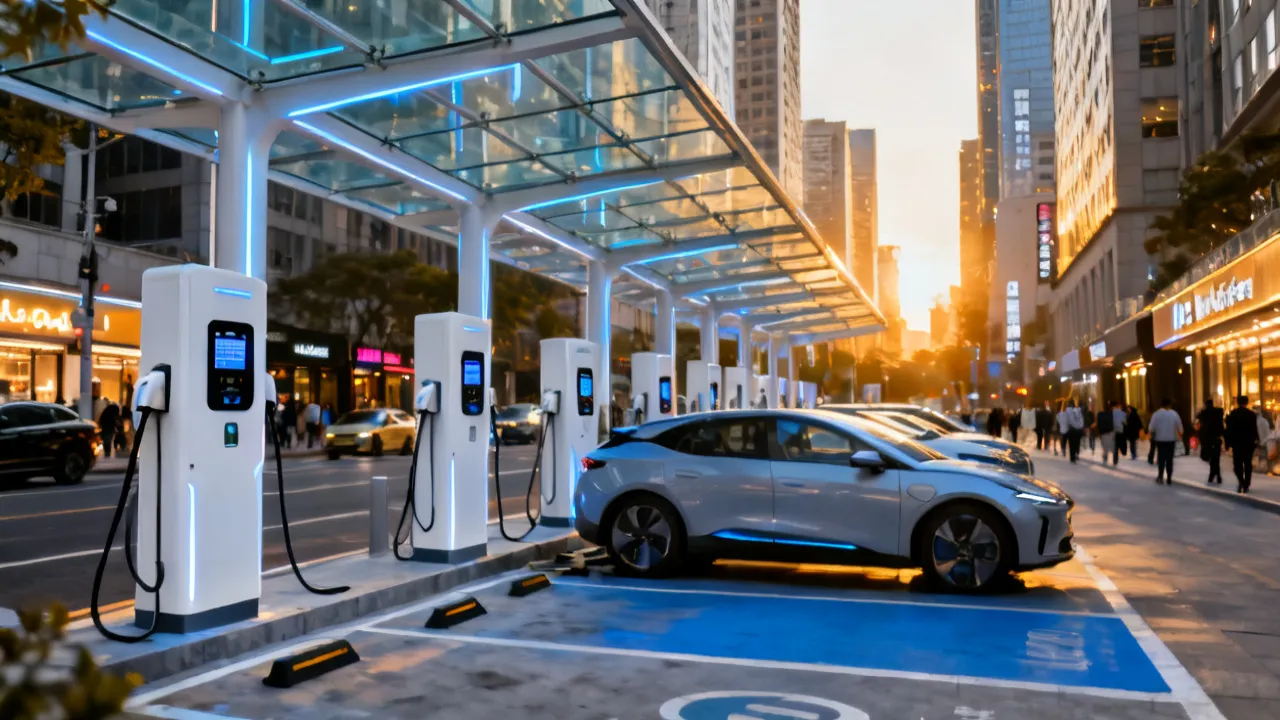
Furthermore, Nissan has invested heavily in developing advanced battery technology, such as its solid-state batteries, which promise to offer higher energy densities and faster charging times compared to traditional lithium-ion batteries. This progression is crucial for expanding the range and convenience of electric vehicles. In addition, Nissan's extensive charging network, including its partnership with various charging station providers, ensures that drivers have access to reliable and convenient charging options.
Nissan’s Commitment to Sustainability
Nissan's commitment to sustainability goes beyond just producing electric vehicles. The company's focus extends to every aspect of production and supply chain management, aiming to reduce environmental impact and encourage the adoption of clean energy solutions. Their ambitious plans include achieving carbon neutrality by 2050, a goal that underscores their commitment to a greener planet. This dedication is reflected in Nissan’s broader environmental strategy, which includes reducing CO2 emissions throughout the lifecycle of its vehicles, from manufacturing to disposal.
In addition to vehicle electrification, Nissan is also exploring alternative energy sources, such as renewable energy integration in its manufacturing processes. Solar panels are being installed at several production facilities, further lowering the carbon footprint of vehicle production. Nissan’s investment in recycling initiatives, including its commitment to reusing battery materials, showcases a holistic approach to sustainability that encompasses responsible sourcing, manufacturing, and end-of-life vehicle management.
Moreover, Nissan actively collaborates with governments, NGOs, and industry groups to promote the adoption of electric vehicles and establish a more sustainable transportation infrastructure. Their participation in global forums about EV adoption emphasizes the importance of industry-wide collaboration in achieving environmental goals.
Comparison of Current Nissan Electric Models
| Model | Category | Range (miles) | Key Features |
|---|---|---|---|
| Nissan Leaf | Hatchback | 149-226 | e-Pedal, ProPILOT Assist, Spacious Interior |
| Nissan Ariya | SUV | 300 (est.) | Intelligent Mobility, Spacious Interior, Advanced Safety Features |
| Nissan e-NV200 | Van | 124 | Zero Emissions, Flexible Cargo Space, Cost-Effective Operation |
FAQs
- What is the range of the Nissan Leaf?
The Nissan Leaf has a range between 149 and 226 miles depending on the model variant and driving conditions. The increased range in the Leaf e+ enhances its usability for longer trips, making it a more versatile option for potential buyers.
- Does Nissan offer any electric SUVs?
Yes, the Nissan Ariya is their electric SUV, offering ample range and advanced technology. Designed for comfort and versatility, the Ariya is perfect for families and adventurous drivers who are seeking an eco-friendly alternative without sacrificing performance.
- What sustainability measures is Nissan implementing?
Nissan aims to achieve carbon neutrality by 2050, focusing on clean energy and reducing its environmental impact throughout the vehicle lifecycle. This includes developing more efficient production practices and working towards recycling automotive materials, particularly in battery management.
- How does the e-Pedal work?
The e-Pedal system allows drivers to control acceleration and braking with just one pedal, facilitating a more streamlined driving experience, especially in urban settings. When lifting off the pedal, the car slows down and can bring the vehicle to a complete stop, while pressing the accelerator will move it forward.
- Which Nissan electric model is best for families?
The Nissan Ariya is often considered the best choice for families due to its spacious interior, comfortable seating for five, and ample storage space for cargo. It comes equipped with advanced safety features, making it a reliable choice for transporting loved ones.
The Future of Nissan's Electric Vehicle Development
As Nissan moves forward, the company is focusing on several key areas for the future development of its electric vehicles. One of the major focuses is on expanding its electric lineup to include more vehicle types and models, catering to various consumer preferences and needs. Future models may include a broader range of SUVs, performance-oriented variants, and even compact models designed for urban driving. Additionally, as consumer preferences evolve, Nissan is looking into the integration of more sustainable materials into its vehicles, which will help promote a circular economy in the automotive sector.
Another significant trend is the advancement of autonomous vehicle technology. Nissan is committed to harnessing robotics and artificial intelligence to enhance vehicle safety and user experience. This effort aligns with their goal of creating vehicles that can navigate safely and intelligently in various driving conditions. ProPILOT capabilities will likely continue to evolve, supporting a vision of near-full automation as technology matures. Innovations may also include vehicle-to-everything (V2X) communication, which enables electric vehicles to interact seamlessly with other vehicles and infrastructure.
Furthermore, Nissan is ramping up its battery technology research and development, focusing on enhancing battery life, improving charging speeds, and significantly reducing the costs of battery production. As it looks to the future, partnerships with battery manufacturers and investments in solid-state battery technology could play a pivotal role in Nissan's strategy, potentially offering breakthroughs in energy density and safety.
As consumers become increasingly conscious of environmental impacts and sustainability, Nissan's focus on electrification, coupled with innovative technologies, positions it to not only thrive but also lead the industry. The company's commitment to producing affordable, reliable, and sustainable electric vehicles ensures their place as a frontrunner in the automotive transition to electric mobility.
Global Impact of Nissan's Electric Vehicles
Nissan’s influence in the electric vehicle market extends beyond national borders, impacting global automotive trends and consumer perceptions towards electric mobility. By being one of the first major automakers to mass-market an electric vehicle, Nissan paved the way for others to follow suit. The success of the Nissan Leaf spurred competition and innovation among other vehicle manufacturers, creating a dynamic environment where electric vehicles are no longer niche products but are becoming mainstream options. As new players enter the market, and more established manufacturers ramp up their electric vehicle offerings, Nissan’s role as a trendsetter has encouraged a broader acceptance of electric vehicles worldwide.
Additionally, Nissan has been proactive in promoting the adoption of electric vehicles through collaborative initiatives and partnerships with governments and organizations advocating for sustainable transportation. This includes research funding, infrastructure development for charging networks, and participation in global forums focusing on climate change and sustainability. Such actions not only enhance Nissan's brand reputation but also support the global transition towards cleaner mobility solutions and awareness of climate issues.
Furthermore, Nissan's commitment to affordability in electric vehicles has played a crucial role in democratizing access to EV technology. The introduction of models like the Leaf represented a shift towards making electric vehicles accessible to a broader range of consumers, regardless of their economic status. This accessibility is vital in ensuring that electric mobility is not a privilege for a few, but a viable option for the many, contributing positively to emission reduction goals globally.
Community Engagement and Education
Beyond vehicle production, Nissan actively engages with communities to educate consumers about the benefits and use of electric vehicles. Through campaigns and initiatives aimed at improving awareness, Nissan provides potential buyers with the knowledge necessary to feel confident in their transition to electric mobility. This includes hosting workshops, test-drive events, and educational sessions regarding the advantages of EVs, ranging from cost savings to environmental benefits.
Nissan’s community programs often highlight the importance of infrastructure, discussing how advancements in charging technology and the expansion of charging networks will make owning an electric vehicle even more convenient. Their outreach efforts aim to dispel myths regarding electric vehicles and emphasize the practicality of adopting EV technology in daily life. By fostering a well-informed consumer base, Nissan is actively contributing to the long-term success and acceptance of electric vehicles across various markets.
Conclusion
Nissan's electric models represent a significant leap forward in achieving a more sustainable and efficient transportation future. With a strong foundation of innovation and commitment to environmental responsibility, Nissan continues to lead the charge in the global shift towards electric mobility. As they expand their lineup and enhance their technological capabilities, Nissan's approach to electrification extends beyond simply selling cars; it embraces a vision for a sustainable future, encouraging drivers to rethink mobility. The company’s efforts in sustainability, community engagement, and education ensure that they not only provide exceptional electric vehicles but also foster a culture of environmental awareness and responsibility in the automotive industry. The road ahead for Nissan in the EV space appears promising, with opportunities for further growth and leadership in the evolving automotive landscape.