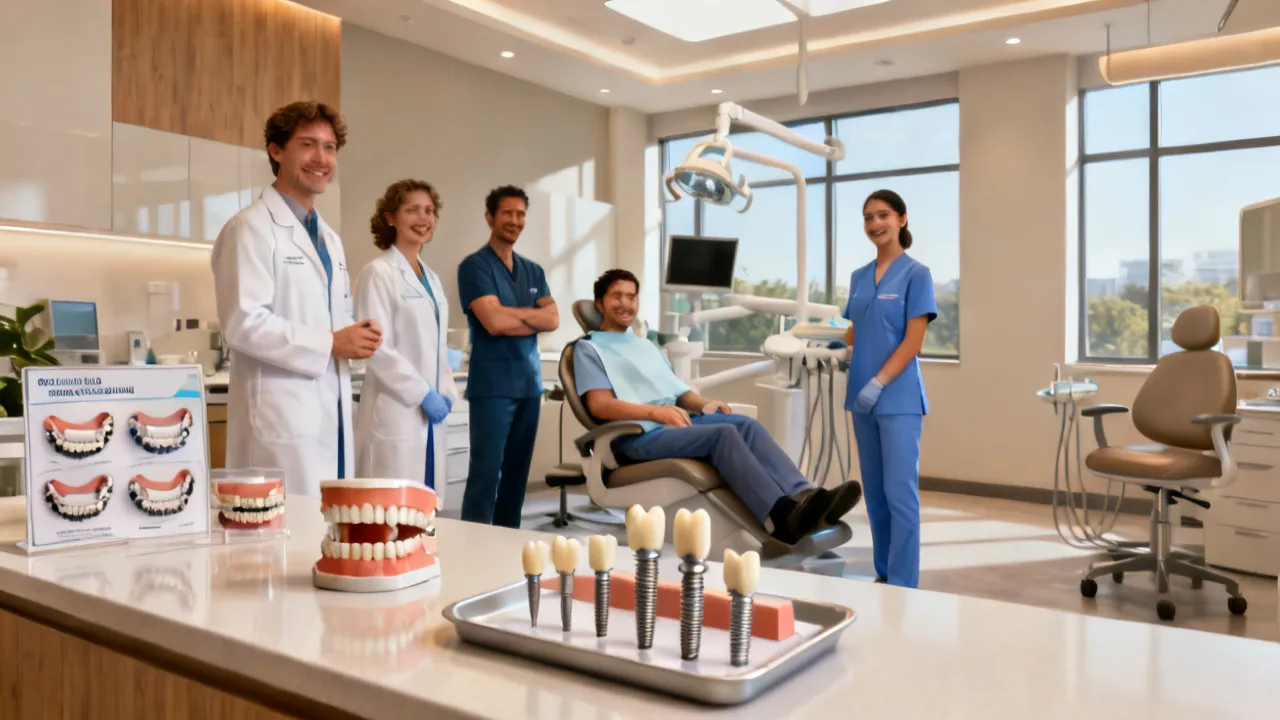

Understanding Prosthodontists and Their Importance
This guide explores the role of prosthodontists, specialists in dental prosthetics, and their importance in restoring oral health. As the profession encompasses procedures like dental implants and dentures, these experts critically improve patients’ quality of life. The article includes insights into prosthodontics, benefits of their treatments, and considerations when seeking such care.
Introduction to Prosthodontistry
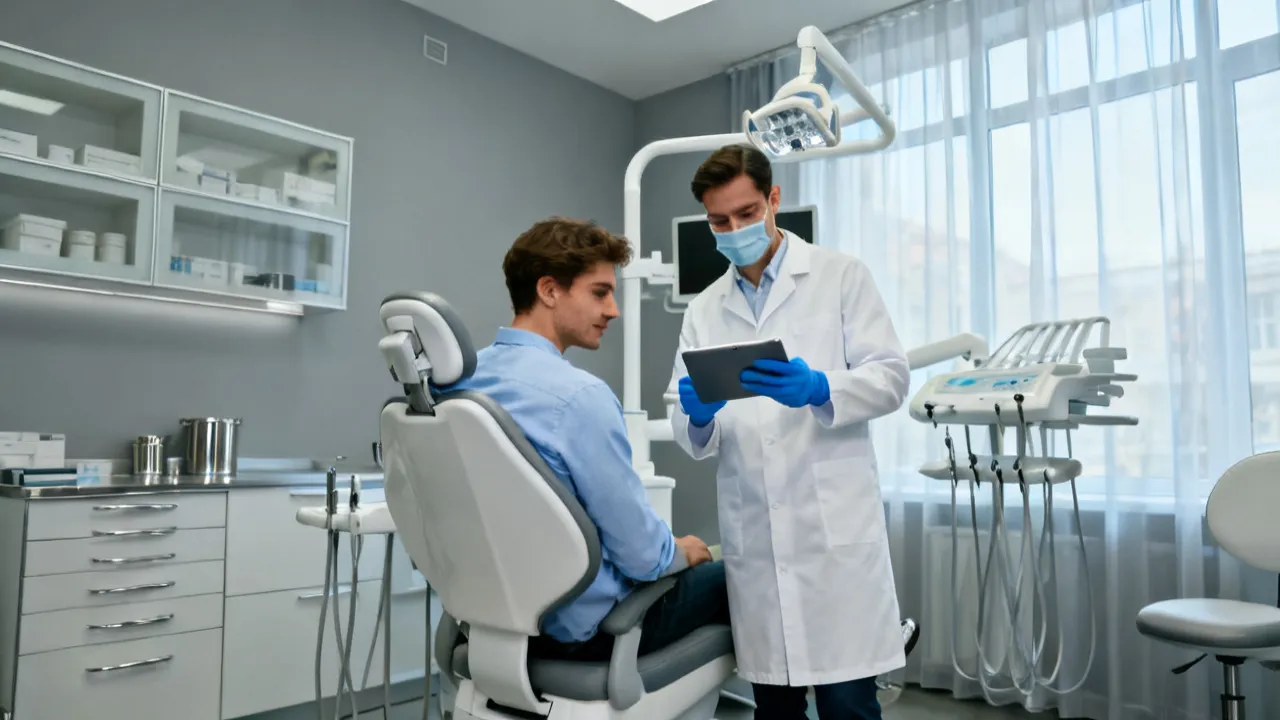
Prosthodontists are dental specialists who focus on the restoration and replacement of teeth. They are crucial in managing complex facial and dental issues, using prostheses like dentures, crowns, and dental implants to enhance both function and aesthetics. Unlike general dentists, who handle a broad range of dental issues, prosthodontists hold advanced training and knowledge to solve intricate dental problems stemming from congenital defects, trauma, or diseases. For anyone navigating the expansive world of dental care, understanding the role of a prosthodontist can be key.
The journey to a healthy and functional smile can be complex, especially for individuals who have lost teeth or have significant dental damage. This is where prosthodontics come into play, delving into both the aesthetic and functional aspects of dental restoration. From the materials used in constructing dental prosthetics to the techniques employed for implant placement, prosthodontists leverage their expertise to improve patients' quality of life significantly. Their work often extends into the domains of speech correction and chewing functionality, making them integral to holistic dental care.
The Expertise of a Prosthodontist
Prosthodontists receive extensive training beyond standard dental education and possess a deep understanding of dental anatomy and mechanics. Their in-depth specialization prepares them not just to restore teeth but also to optimize the aesthetic and functional harmony of a patient’s mouth, be it through dental implants, crowns, bridges, or dentures. Their expertise typically includes:
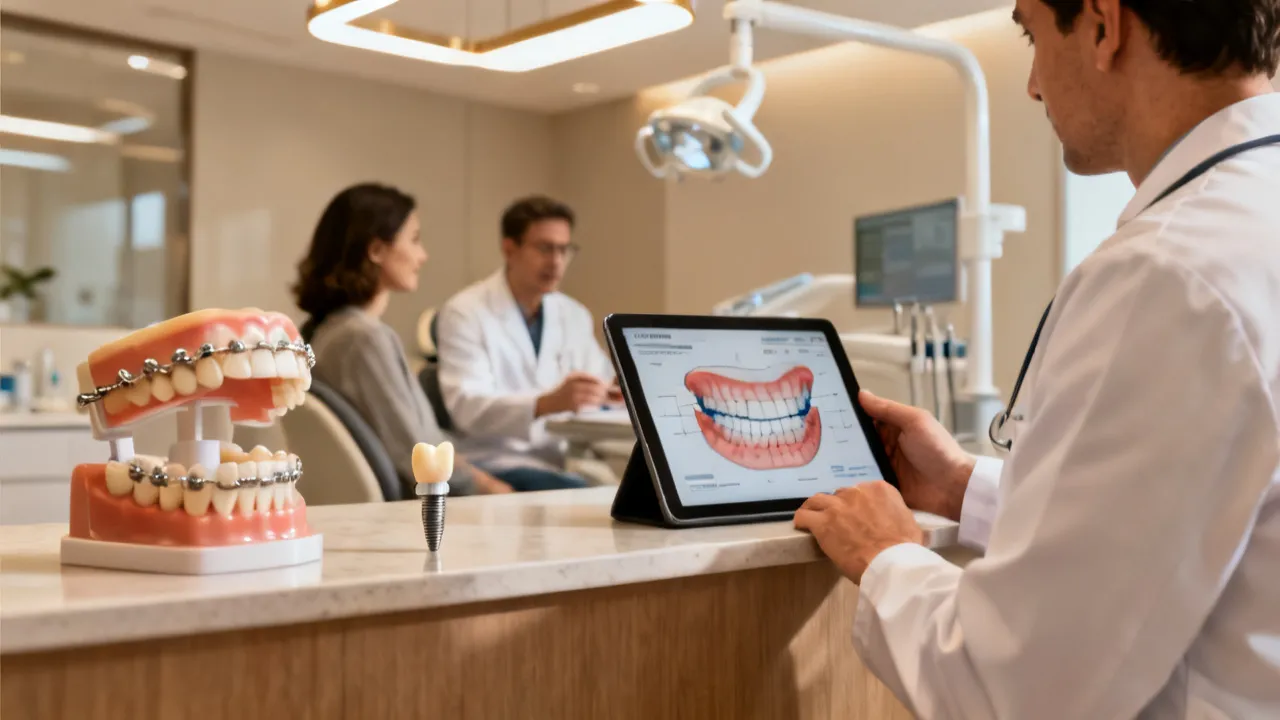
- Dental Implants: These provide a robust solution for missing teeth, offering significant improvements over traditional options like bridges or dentures. Dental implants act as artificial tooth roots, creating a solid foundation for fixed or removable replacement teeth designed to blend seamlessly with natural teeth.
- Crowns and Bridges: Used to protect damaged teeth and restore gaps left by missing teeth, crowns and bridges are custom-made to ensure both oral function and appearance are maintained. Crowns can cover a tooth that has been severely damaged or decayed, while bridges can fill spaces where teeth are missing by anchoring onto adjacent teeth.
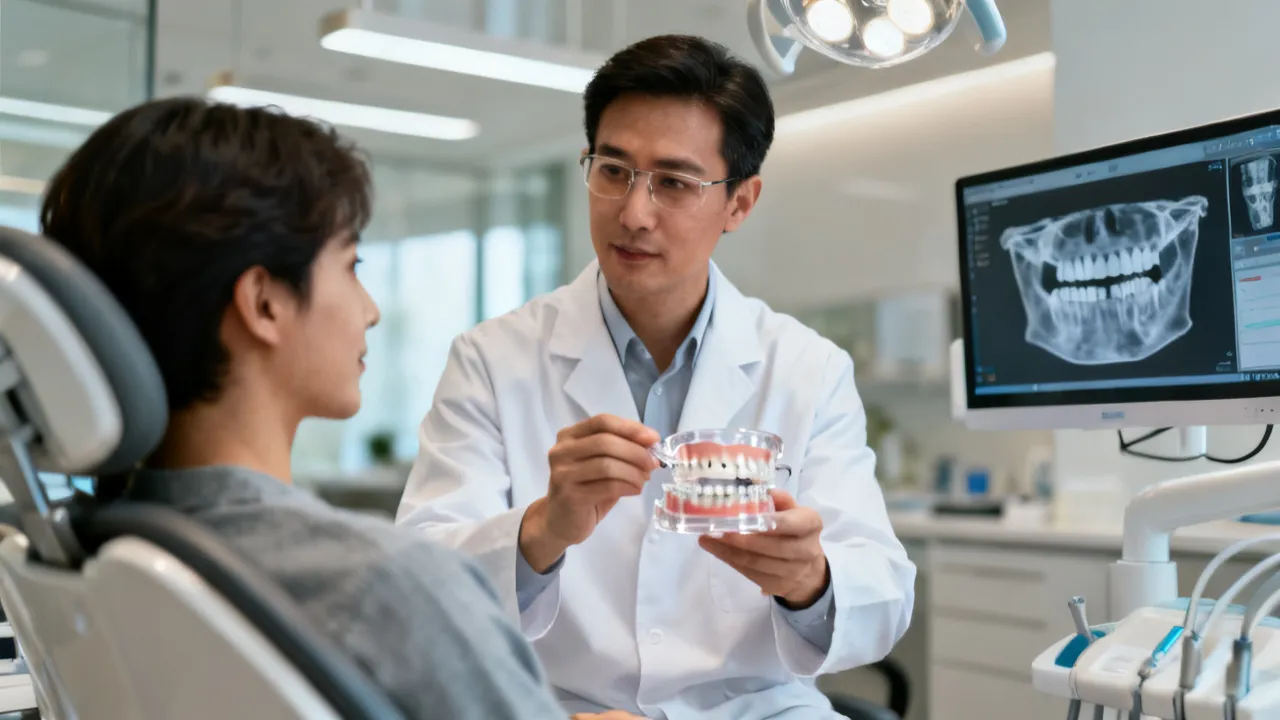
- Complete and Partial Dentures: Designed to fully, or partially, replace a patient's missing teeth, enhancing both mastication (chewing) and speech. Complete dentures are used when all teeth are missing, whereas partial dentures are recommended when some natural teeth remain. Prosthodontists ensure that these replacements fit comfortably and function effectively.
- Maxillofacial Prosthetics: This subspecialty involves creating prostheses for patients who have lost facial structures due to cancer, trauma, or congenital disorders. These devices can help restore a patient's appearance and improve their self-esteem.
- Temporomandibular Joint (TMJ) Disorders: Prosthodontists often collaborate with other dental and medical specialists to address complex issues related to jaw alignment and function, ensuring comprehensive management of oro-facial pain and dysfunction.
Benefits of Prosthodontic Care
Turning to a prosthodontist offers several advantages, notably the ability to handle intricate cases that require in-depth knowledge of dental mechanics and aesthetics. Patients can benefit from comprehensive solutions tailored to their specific dental needs. Key benefits of seeking care from a prosthodontist include:
- Enhanced Oral Function: Restorative procedures can dramatically improve chewing efficiency, allowing patients to enjoy a wider variety of foods.
- Improved Aesthetics: Prosthodontists carefully consider facial structure, symmetry, and natural tooth color to deliver aesthetic results that restore confidence in one's smile.
- Custom Solutions: Every treatment plan is individualized, taking into account the patient’s dental history, lifestyle, and preferences to ensure the best possible outcomes.
- Better Speech: Correcting tooth loss or misalignment can significantly improve enunciation and clarity of speech, benefitting social interactions.
- Long-Term Health Benefits: By restoring proper tooth function and preventing further complications that can arise from untreated issues, prosthodontic care contributes to overall health and wellness.
Low-Cost Dental Implants: An Overview
For those considering dental implants, cost is often a primary concern. The price of implants can vary widely depending on factors such as location, the complexity of the procedure, and the materials used. Fortunately, there are options available to make this essential service more affordable. Implementing strategies such as insurance checks, financing options, or exploring dental tourism can facilitate access to necessary treatments. Comparing offerings from various providers is a prudent first step. Here is a non-exhaustive comparison of online resources focused on low-cost implants:
| Website | Features |
|---|---|
| Dental Views | Focuses on affordability, with details on implant benefits and types, along with comparisons of practices. |
| Atlantic Dental Group | Offers a wide range of dental services, including implants, with potential financing options to ease the cost burden. |
| DentaVacation | Explores dental tourism for affordable treatment options abroad, along with accommodations and travel tips. |
Countries Offering Affordable Dental Implants
Patients willing to travel might find significant savings on dental implants in international locations. Countries known for their affordable but quality dental care can be excellent options for those exploring dental tourism. Here's a look at price ranges for individual implants in various English-speaking countries, which can provide context for potential savings:
- United States (US): $3,000 - $6,000 USD
- United Kingdom (GB): £2,000 - £2,500 GBP
- Australia (AU): AU$3,500 - AU$6,500 AUD
- Canada (CA): CA$3,000 - CA$5,500 CAD
- Mexico: $1,000 - $1,500 USD, making it one of the most popular destinations for dental tourism due to the significant savings.
- Costa Rica: $900 - $1,200 USD, with a growing reputation for high-quality dental work.
- Turkey: $800 - $1,600 USD, offering both dental implants and vacation opportunities.
How to Secure Low-Cost Implants
The path to affordable dental implants involves several considerations. Patients seeking dental implants should be proactive in exploring various options and seeking guidance. Here are actionable steps to achieving that:
- Research: Start by exploring various clinics and their pricing structures. Identify locations that offer price transparency and positive testimonials from past patients. A clinic’s reputation can play a crucial role in ensuring quality care.
- Insurance Policies: Consider dental insurance plans that potentially cover a part of the implant costs. Some policies have specific provisions for implants; therefore, it’s worth checking your coverage.
- Payment Plans: Some clinics offer financing options that allow patients to spread the cost of implants across several months, making the financial burden more manageable.
- Dental Tourism: Exploring treatment options in countries like Mexico and Costa Rica, which often have lower prices but high standards of care, might prove beneficial. Transitioning into a vacation while receiving treatment can make the experience even more worthwhile.
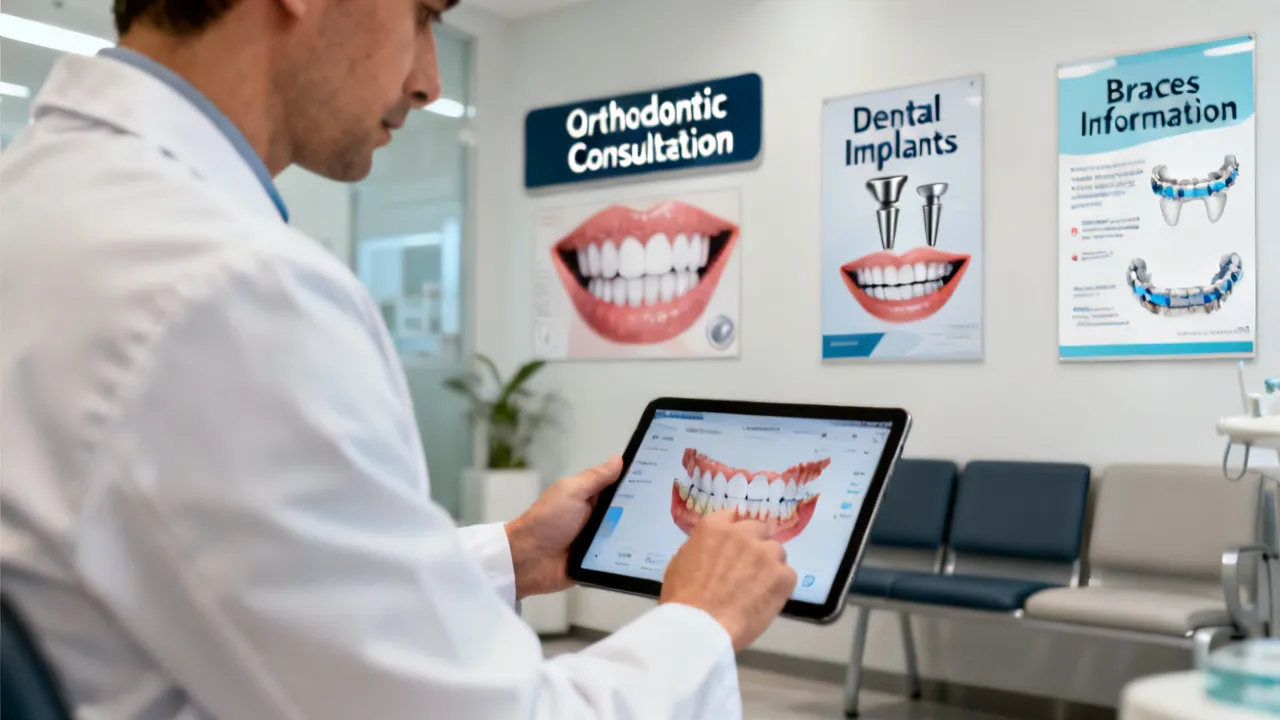
- Consultations: Schedule consultations with multiple providers to determine which one offers the best value without compromising on quality. Many clinics provide initial assessments at no charge, which can help in decision-making.
FAQs About Dental Implants and Prosthodontists
What makes prosthodontists different from general dentists?
Prosthodontists focus on more complex restorative procedures and have specialized training. Unlike general dentists who may provide general oral care, prosthodontists possess in-depth knowledge of advanced techniques related to functions and aesthetics of dental restorations, enabling them to tackle intricate cases such as extensive tooth loss or significant dental wear.
How can I identify credible sources for low-cost dental implants?
Look for clinics with well-documented case studies, patient reviews, and certifications from reputable dental authorities. Sources such as the American College of Prosthodontists or the ADA can offer insights into practitioners' credibility. Additionally, consulting with previous patients or dental forums can provide firsthand information about experiences and results.
Are there risks associated with traveling abroad for implants?
While cost savings can be significant, there are potential risks to consider. Variations in the quality of care, regulatory standards, and a lack of continuity in post-operative care can pose challenges. Understanding the clinic's accreditation, the dentist's qualifications, and aftercare instructions can mitigate these risks. It's critical for patients to conduct thorough research and inquiries before committing to treatment overseas.
The Importance of Regular Aftercare
Once dental implants or prosthetic devices have been placed, the journey doesn’t end there. Regular follow-up visits with the prosthodontist are essential for monitoring the health and functionality of the implants or restorations. Aftercare can include:
- Maintaining Oral Hygiene: Proper hygiene practices must be observed to prevent infection at the implant site. Continuous education on maintaining optimal dental care will help foster longevity in prosthetic devices.
- Routine Check-ups: Scheduling periodic check-ups allows for early detection of any issues, ensuring that replacements remain functional and aesthetically pleasing.
- Understanding Dietary Needs: Patients should be advised on the types of foods to avoid, particularly immediately after receiving an implant, to ensure proper healing.
- Monitoring Overall Health: Systemic health issues can impact dental restorations. Therefore, informing your dentor about any health changes is crucial.
Conclusion
Understanding the insights into prosthodontics and dental implant procedures is crucial, especially for affordable care seekers. The role of a prosthodontist extends far beyond simply replacing teeth; they enhance lives by restoring functionality and aesthetics. By recognizing expert recommendations, investigating diverse service options, and weighing potential risks, prospective patients can make informed decisions tailored to their dental needs and financial strategies. As the field of dentistry continues to advance, so do the opportunities for patients to obtain the care they need.
Disclaimer: The information provided is based on online resources as of October 2023. Dental implant prices are for reference only and may vary by region, clinic, and dental practitioner. Patients are encouraged to seek consultations for specific information relevant to their situation.
References
Here are some useful links for further exploration of prosthodontics and dental implant options: