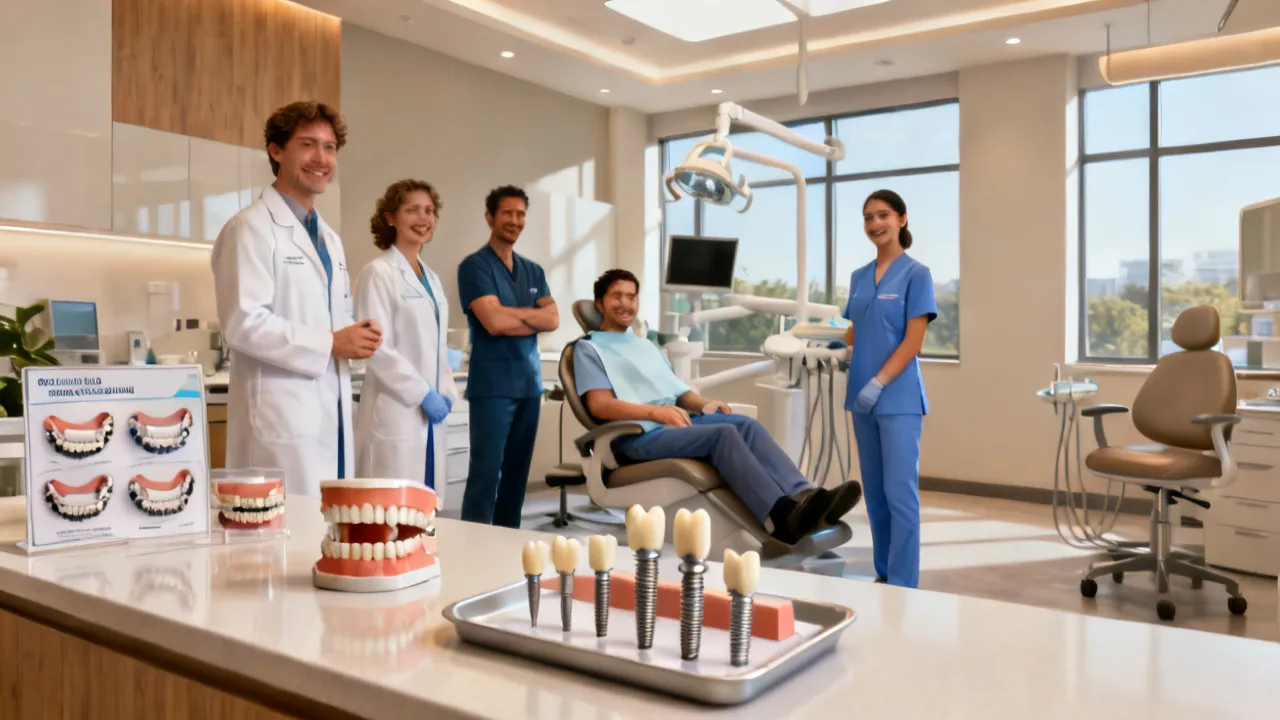

Teledentistry Transforming Dental Care
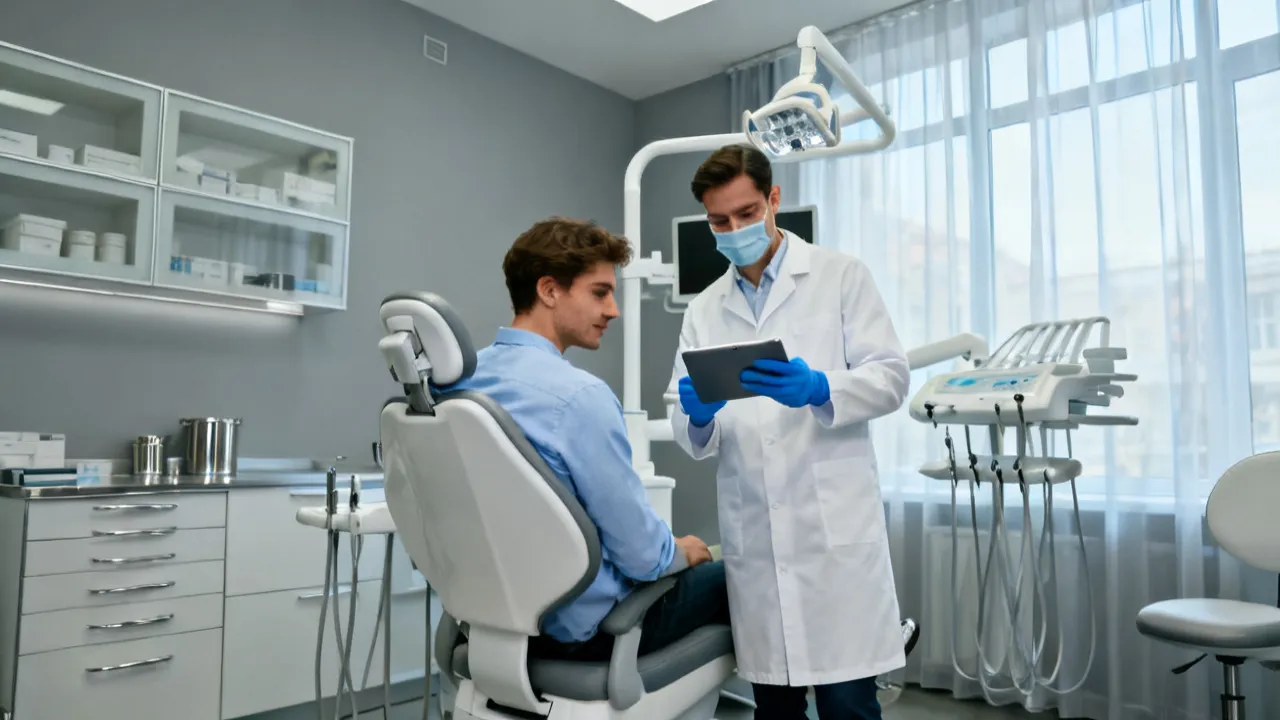
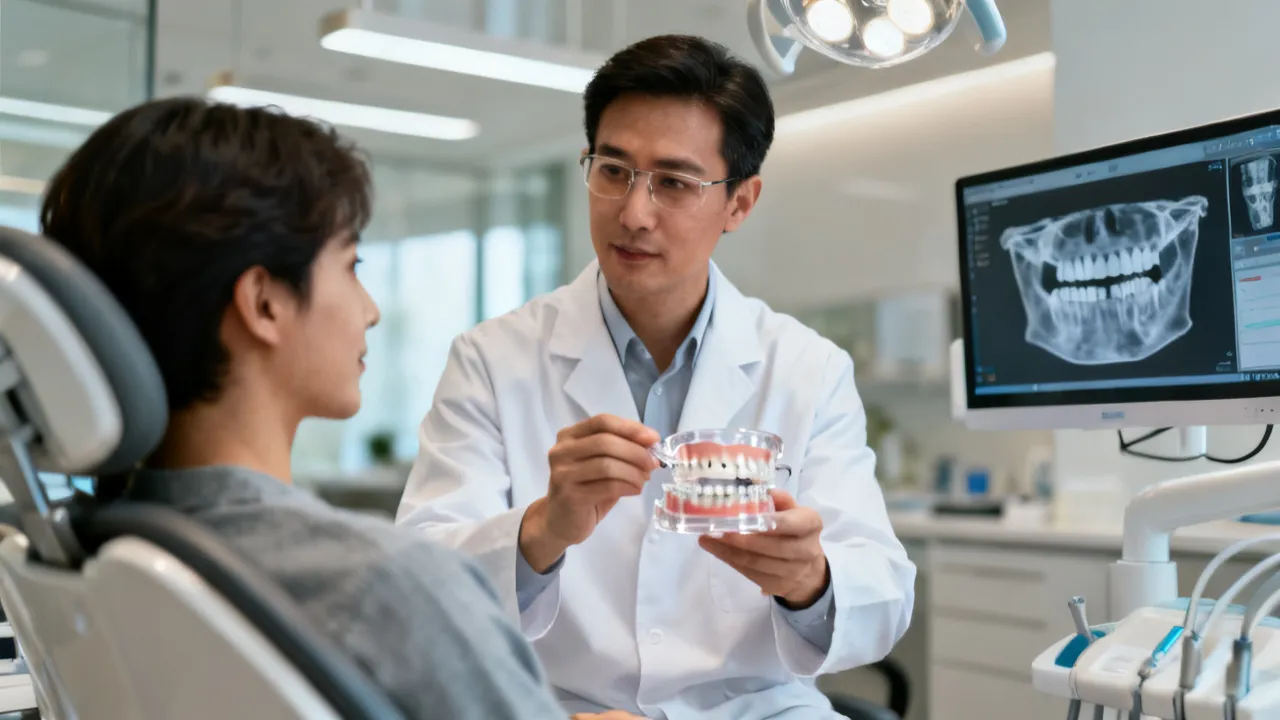
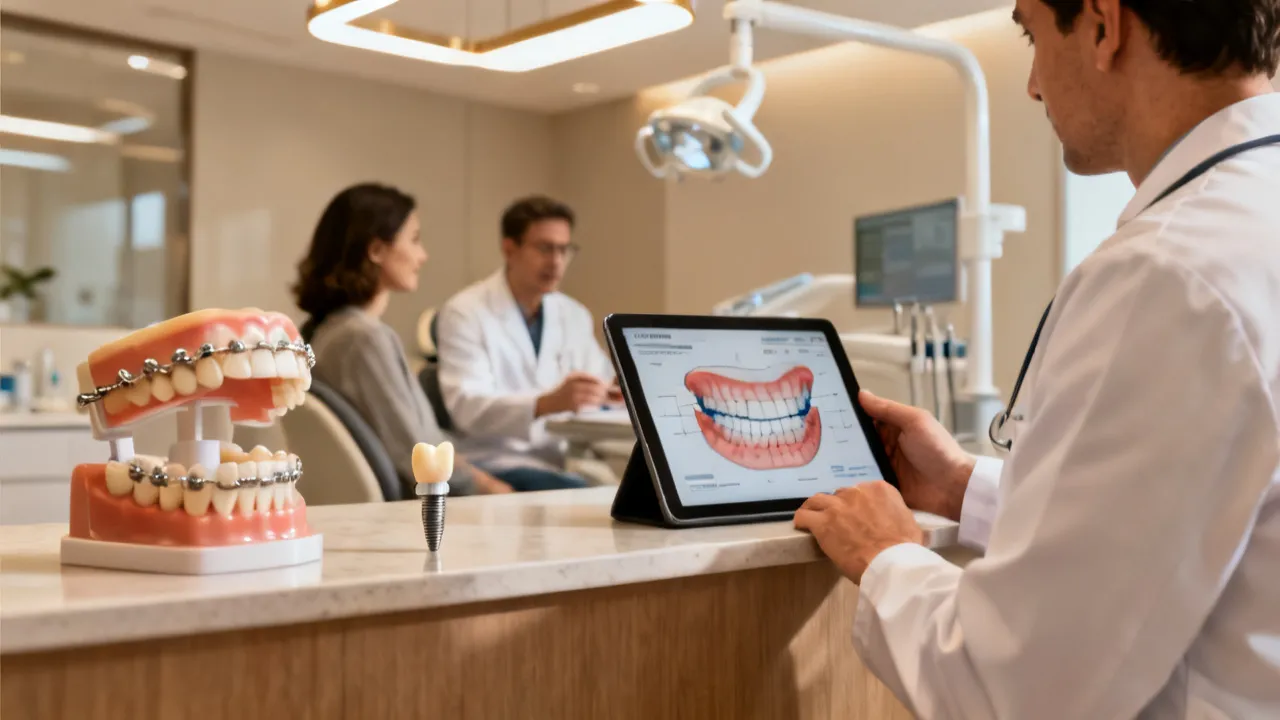
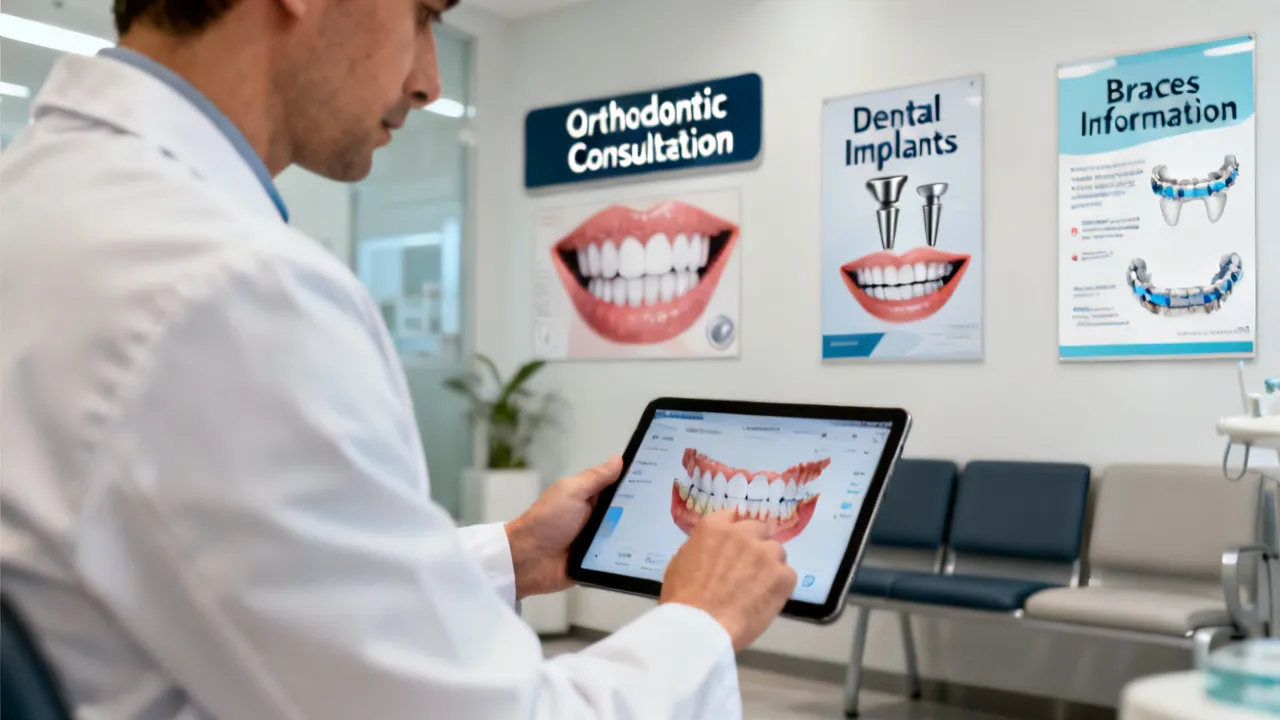
Teledentistry is revolutionizing dental care access, especially within Arizona, by providing online consultation and follow-up for various dental issues. As technology advances, innovative dental solutions like teledentistry are emerging as significant healthcare components. They offer remote consultations, making dental care more accessible, efficient, and cost-effective, transforming how patients engage with their oral health.
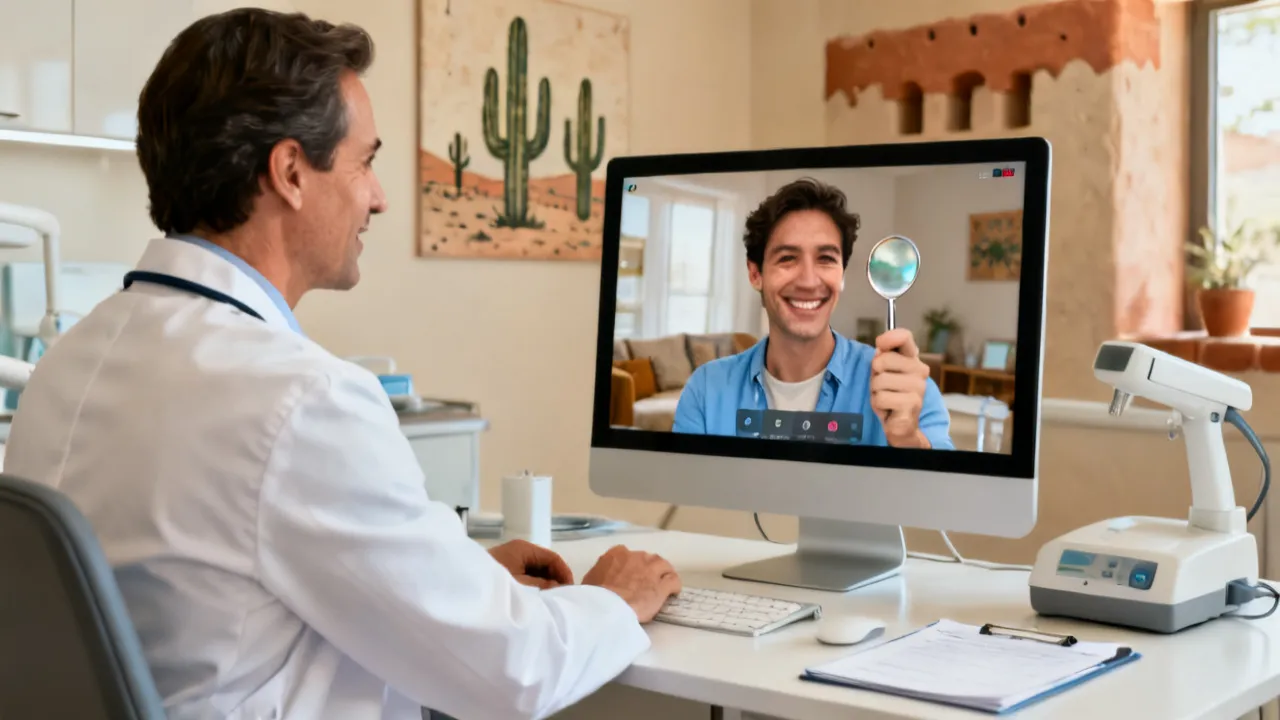
Introduction to Teledentistry in Arizona
As healthcare technology continues to evolve, teledentistry is rapidly emerging as a crucial innovation. This healthcare model provides immense benefits, especially in regions like Arizona, where geographical constraints and a shortage of dental professionals have historically posed challenges for residents. Teledentistry leverages technological advancements to create a more equitable healthcare landscape, improving access for communities that have traditionally faced barriers to receiving quality dental care.
The Role and Impact of Teledentistry
Teledentistry utilizes advanced telecommunications technology to offer dental consultations and follow-ups remotely. This model includes virtual examinations, patient education, and sometimes video consultations, which supplement traditional in-office visits. For Arizona residents, particularly those in rural or underserved areas, this means gaining easy access to professional dental care without having to travel long distances. The convenience of teledentistry not only promotes better oral health by making dental care more accessible but also encourages patients to seek timely consultations, preventing minor issues from becoming severe problems.
The Evolution of Teledentistry
Teledentistry has roots in the practice of telehealth, which has been in existence for decades. Historically, telehealth included a wide range of services beyond dental care, allowing healthcare providers to reach patients in remote areas via telephone or radio communications. As technology advanced, video conferencing became a viable option for real-time patient interactions. Arizona, with its vast landscapes and diverse populations, saw an opportunity to integrate this model into its dental practice, paving the way for the teledentistry model we see today. The integration of digital health platforms has further enabled this transformation, equipping dental professionals with tools to communicate effectively with their patients remotely.
Benefits of Teledentistry in Arizona
Teledentistry brings numerous advantages. They are critical not only for enhancing the quality of care but also for ensuring that residents can maintain their dental health. The primary benefits include:
- Accessibility: Patients in remote areas or those with mobility issues can receive consultations without geographical restrictions. For many, especially in rural communities in Arizona, this can mean the difference between accessing care and delaying important treatments.
- Cost Effectiveness: Minimizing the need for physical clinic visits can significantly reduce healthcare costs associated with travel and time off work. Lower overhead costs for dentists can translate to savings for patients as well.
- Time Efficiency: Cuts down waiting times in dental offices, making the entire process more efficient. Patients can schedule appointments at times that suit them, without the long waits often associated with traditional office visits.
- Education: Provides a platform for continuous dental education for patients, enhancing their understanding of dental care practices. Teledentistry can help bridge knowledge gaps, enabling patients to make informed decisions about their dental health.
- Reduced Anxiety: Many patients experience anxiety when visiting the dentist. Teledentistry can reduce this stress as patients can consult with their dentists in a familiar environment, ultimately promoting better engagement in their care.
Comparing Low-Cost Dental Implants Resources
| Website | Key Features |
|---|---|
| Dental Views | Information on low-cost implants, benefits, and FAQs. |
| Atlantic Dental Group | Diverse dental services and easy booking options. |
| DentaVacation | Focuses on dental tourism, offering cost comparisons abroad. |
| ADHP | Provider of comprehensive dental insurance coverage options. |
Source: Available on respective websites.
Steps to Obtain Low-Cost Dental Implants in English-Speaking Countries
Finding affordable dental implants is critical for many patients. Here's a detailed approach to manage your costs in English-speaking nations:
- Explore Dental Schools: Many dental schools offer services at reduced rates, as students, under supervision, provide treatments that include dental implants. It’s a win-win scenario where students gain invaluable experience while patients receive care at a fraction of the cost.
- Insurance and Plans: Review available dental insurance plans that could cover implant procedures or part thereof. Platforms like ADHP offer numerous dental coverage options that may subsidize dental implant costs. Investigate if your current dental plan covers any portion of the expenses related to implants.
- Travel Opportunities: Engage with dental tourism services like those provided by DentaVacation, where traveling to regions with lower costs is coordinated for affordable care. Some countries can provide high-quality dental services at a fraction of the costs in your home country.
- Research Local Clinics: Investigate local dental clinics that may be offering promotional rates or discounts for new patients. Often, clinics want to attract new clientele and may provide competitive pricing on essential services.
- Utilize Health Savings Accounts (HSAs): If available, HSAs can allow patients to save money tax-free for medical expenses, which can include dental implants. This could also serve as a way to manage costs efficiently over time.
Cost Ranges for Dental Implants
| Country | Currency | Price Range |
|---|---|---|
| United States | USD | $3,000 - $6,000 |
| Canada | CAD | $3,000 - $5,500 |
| United Kingdom | GBP | £2,000 - £3,500 |
| Australia | AUD | $3,500 - $5,000 |
| New Zealand | NZD | $3,000 - $4,500 |
Frequently Asked Questions (FAQs)
Q: How secure is personal information in teledentistry?
A: Teledentistry platforms often utilize encryption and other security measures to protect patient information. Most legitimate teledentistry services comply with regulations like HIPAA to ensure that patient privacy is prioritized. Before engaging with any teledentistry platform, confirm their security practices and data handling policies.
Q: Can all dental issues be addressed through teledentistry?
A: While teledentistry is excellent for consultations and follow-ups, certain procedures still require a physical visit for accurate diagnosis and treatment. Issues requiring hands-on examination, such as complex extractions or surgeries, would still necessitate an in-office appointment. Additionally, some treatment plans developed through teledentistry may need follow-ups that require physical presence.
Q: What technology do I need to participate in teledentistry?
A: Mostly, a reliable internet connection and a smartphone or computer with a camera and microphone ability are sufficient. Many platforms facilitate easy access through apps or web browsers, ensuring that patients can connect with dental professionals from the comfort of their homes.
Q: Will my insurance cover teledentistry services?
A: Coverage for teledentistry services depends on specific insurance policies. Some dental plans have begun to cover teledentistry visits similar to in-person appointments. It's essential to check with your insurance provider to understand what services are covered and any limitations that may apply.
Conclusion
Teledentistry is fundamentally changing how people in Arizona, and beyond, access dental care. By eliminating geographic limitations and enhancing accessibility, it allows broader sections of the populace to receive essential dental consultations. As our world becomes more connected, teledentistry represents a forward-thinking approach to dental care that is increasingly indispensable, particularly for underserved populations. By embracing these technologies, dental professionals can reach patients who would otherwise go without care, foster lifelong oral health, and ultimately contribute to a healthier community.
As teledentistry continues to evolve, ongoing education about its benefits, risks, and available technologies will be essential in maximizing its potential. Stakeholders in the dental field, including practitioners, policymakers, and patients, must work together to ensure that the benefits of teledentistry are widely disseminated and implemented effectively to improve dental health outcomes in Arizona and beyond.
Disclaimer: The above information comes from online resources, and the data is as of October 2023. Dental implant prices are for reference only and may vary by region, clinic, and doctor. For personalized advice, patients should consult with a dental professional directly.
Reference Links: