
How to Choose an Orthodontist for Adults Nearby
This guide explains how to find an experienced Orthodontist for Adults Near Me and what to expect from adult orthodontic care. It provides an objective overview of treatment planning, modern options like clear aligners and braces, and practical steps to manage costs. It also includes low-cost dental implant resources, country price ranges, and FAQs.
1) Choosing the Right Orthodontist for Adults Nearby: The Very Important Decisions First
If you’re searching for an Orthodontist for Adults Near Me, your first instinct might be to pick based on convenience: the closest office, the earliest opening, or the most appealing website. Those factors can matter for scheduling and comfort, but for adult orthodontics they’re rarely enough. Adult orthodontic outcomes depend on several decisions that happen long before you ever wear a bracket or insert an aligner: (1) accurate diagnosis, (2) a treatment plan that respects your bite, jaw joints, periodontal health, and restorative work, and (3) a clinician’s ability to coordinate with other dental specialists when needed (for example, periodontics, endodontics, prosthodontics, and sometimes oral surgery).
Adults often come with clinical realities that adolescents typically don’t have. Your case might involve restored teeth (crowns, veneers, bonding), prior extractions and space changes, gum recession, altered bone levels, sensitivity or dry mouth from medication, existing dental implants, history of orthodontics, or bite wear from clenching or grinding. In some cases, adult patients want to “fix one thing” cosmetically—only to discover that the bite mechanics and gum support dictate a bigger strategy. In other cases, adult patients think the spacing is the main issue, but the true driver is a functional discrepancy in how the jaw closes, which can trigger discomfort in the temporomandibular joint (TMJ) if orthodontic forces are applied without careful planning.
Because of this, the “top” orthodontist for adults is usually the one who demonstrates an evidence-based approach to comprehensive adult case management. That means not merely offering popular technology, but using it correctly—combined with a deep understanding of adult biomechanics, periodontal risk, root positioning, and how restorative dentistry influences tooth movement. A clinic that is comfortable treating adults should be able to look at your entire mouth (and even your dental history) and predict how teeth will respond to different mechanics without creating avoidable complications.
When you start your search, it helps to define what “right” means for you. For example, does your top priority include:
- Esthetics: Discretion in appearance, smile contour, and alignment of visible teeth?
- Function: Comfortable chewing, improved bite stability, reduced clenching or TMJ symptoms, and better occlusion?
- Health: Protecting gums and bone while moving teeth safely?
- Time: Minimizing duration due to work or family schedule?
- Budget: Managing total cost across diagnostics, orthodontics, retention, and possible restorative coordination?
A true adult orthodontic specialist will ask these questions too—because adult treatment is rarely one-size-fits-all. The correct answer about “the best orthodontist” is therefore less about reputation alone and more about how the clinician evaluates your priorities against clinical risk and probability of success.
2) Why Adult Orthodontics Requires a Different Standard of Care
Adult orthodontics commonly involves complex biomechanics and esthetic priorities. Adolescents often still have growth potential that can help harmonize the bite, and they typically have fewer restorations. Adults, on the other hand, already have developed craniofacial structures, established periodontal support (or lack of it), and existing dental work that can limit movement or require careful coordination. That’s why adult orthodontics should follow a higher standard of care—one that treats orthodontics not as an isolated “alignment project,” but as a controlled, medically thoughtful process.
From an expert standpoint, there are four domains you should expect your orthodontist to evaluate before deciding between clear aligners and braces:
- Occlusion and bite function: Adults may have malocclusion patterns that influence chewing comfort and temporomandibular joint (TMJ) symptoms. If your bite is unstable or you have significant wear and/or an occlusal interference pattern, orthodontic movement could either improve comfort or worsen symptoms depending on how it’s planned.
- Periodontal stability: Existing bone levels and gum health affect how teeth can safely move and how good retention should be planned. In adults, tooth movement occurs in a periodontium that is mature and susceptible to recession. Planning must consider root position relative to alveolar bone and the risk of further recession.
- Restorative considerations: Crowns, bridges, fillings, and implants can change tooth movement strategies. Orthodontic forces may need to be altered when teeth are partially crowned or have dental work that cannot tolerate certain stress patterns. Also, restorative occlusion may need adjustment to match orthodontic goals after alignment.
- Patient goals and time horizon: Many adult patients balance esthetics, professional image, and treatment duration with functional needs and life constraints. A good plan should align with your schedule and show how phases may be broken down to avoid unnecessary disruption.
In objective terms, orthodontic treatment planning is top understood as a decision process. The clinician maps your baseline dental and facial findings, predicts how teeth and the bite will respond to specific mechanics, and then selects an approach that aligns with both clinical risk and your personal priorities. This is not merely selecting aligners versus braces—it’s designing a sequence of movements that respects biology and engineering constraints.
For example, adult cases frequently require:
- root position planning so teeth don’t move beyond safe bone boundaries;
- consideration of how enamel and restorations will look after alignment changes;
- management of spacing when missing teeth are present;
- coordination with gum therapy if inflammation or recession is active;
- staging around restorative work (crowns/veneers) when those restorations must match the final tooth alignment.
Even the “simple” adult case can become complex if you ignore these factors. That is why adult orthodontics often benefits from a structured diagnostic pathway and transparent risk discussion early on.
3) What to Expect During an Adult Orthodontic Consultation
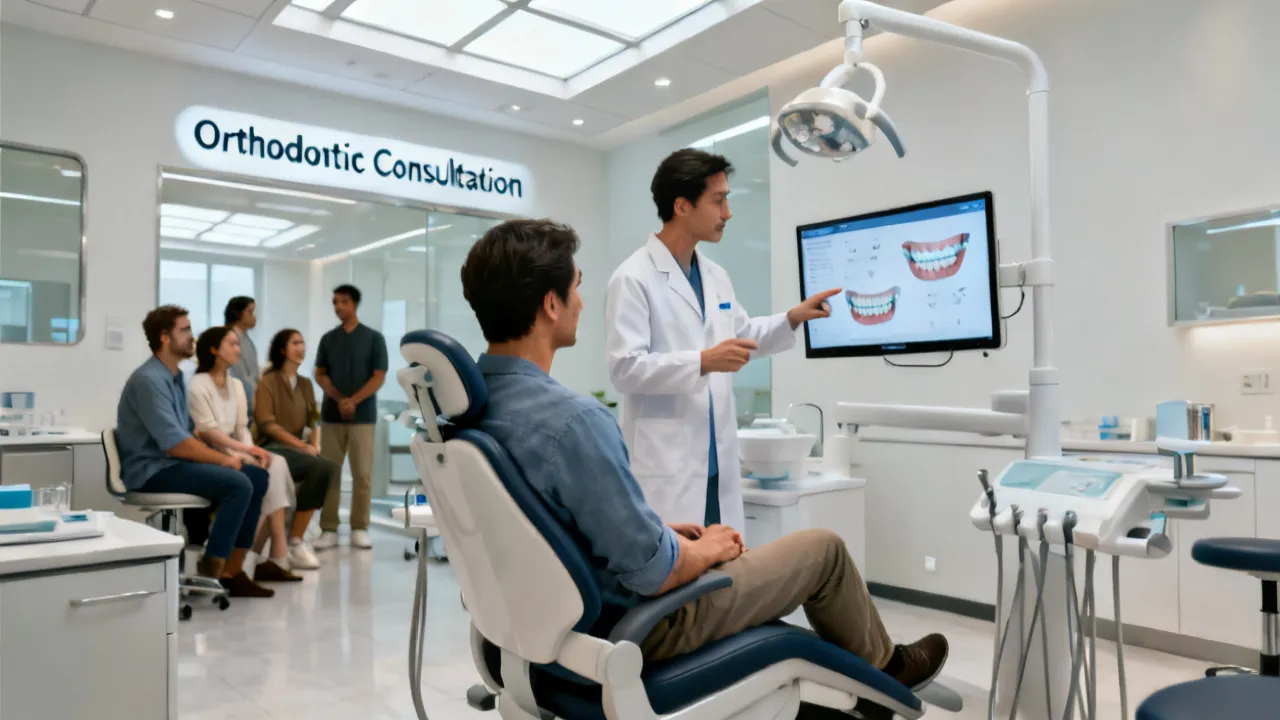
When you contact an Orthodontist for Adults Near Me, ask what the initial visit includes. A strong evaluation typically covers far more than a quick exam and a generic pitch about braces or aligners. You should expect a clinic to treat the first appointment as a “plan-building” visit—meaning the goal is to gather enough information to define diagnosis, treatment options, sequencing, and risk.
A robust adult orthodontic consultation should include the following:
- Medical and dental history review: Medications that affect saliva, healing, or gum tissue are relevant. For example, certain medications can contribute to dry mouth, which may increase caries risk. Conditions such as diabetes and immune disorders can influence periodontal health and healing after any dental procedures.
- Intraoral and occlusal exam: The clinician checks tooth wear, overbite/underbite, crossbite, crowding, rotations, and interferences. If you report jaw discomfort or headaches, the clinician should consider how your bite relates to those symptoms.
- Imaging: Panoramic radiographs and often cephalometric imaging (especially for functional/biomechanical decisions). Depending on the case, digital scans and sometimes additional imaging are used to confirm root position, bone levels, and tooth relationships.
- Modeling and diagnostics: Digital records can support treatment simulations, especially for aligner planning. In adult cases, simulations matter because root positioning and periodontal safety are essential.
- Risk discussion: Expected tooth movement, periodontal risk, and retention requirements should be addressed before treatment begins—not buried later. Adults should know what can be achieved, what might be limited, and what contingency plans exist if biological responses differ from predicted outcomes.
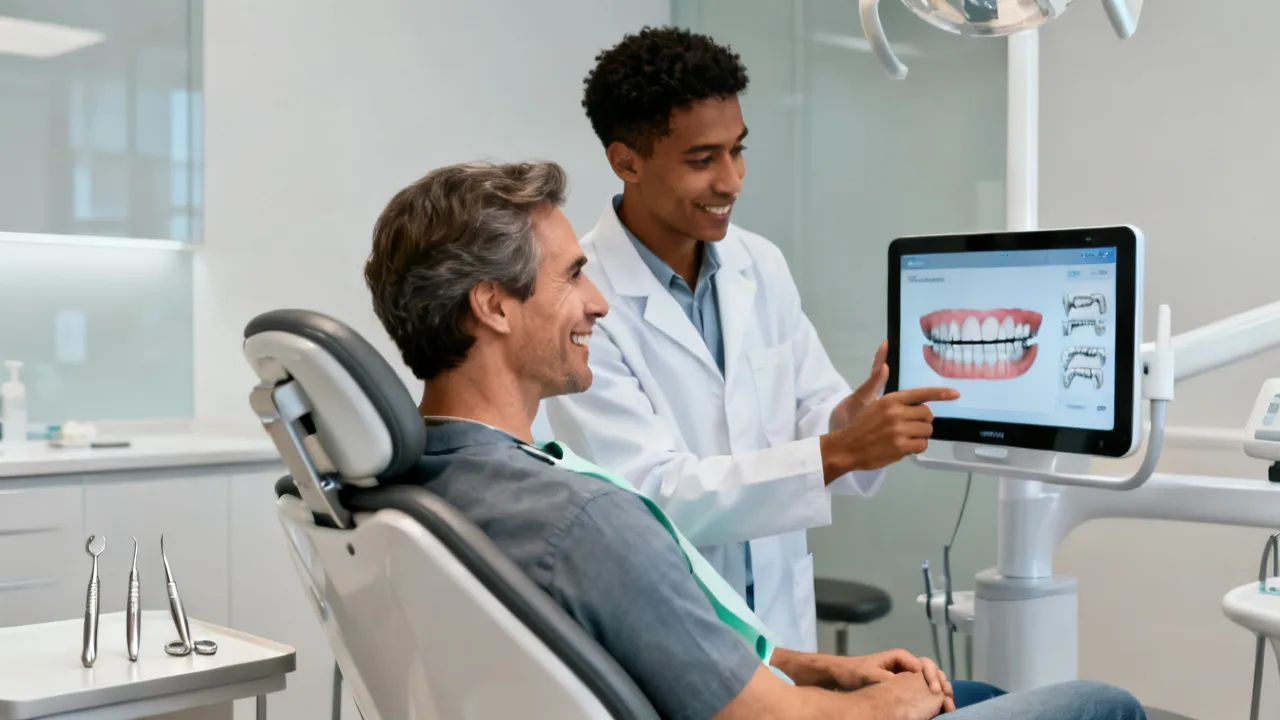
Beyond the checklist, look for how the orthodontist communicates. A high-quality adult orthodontic evaluation tends to be collaborative and transparent. The clinician should explain your diagnosis in plain language, show you what needs to change, and connect the proposed mechanics to the desired outcome. If the orthodontist begins talking immediately about brackets or aligners without assessing your bite, gums, and restorative status, that should be a caution sign. Adult orthodontics is not just about alignment; it’s about safe alignment, stable alignment, and functional harmony.
Ask yourself: do you leave the consultation with a clear understanding of:
- what exactly is wrong (diagnosis)?
- what you can realistically change (treatment objectives)?
- what the orthodontic mechanics will do (how treatment works)?
- what risks exist and how they will be managed (risk control)?
- what happens after active treatment (retention and maintenance)?
If those answers are missing or vague, it might be wise to seek a second opinion, especially when your case includes periodontal issues or restorative work.
4) Clear Aligners vs. Braces for Adults: An Evidence-Informed Comparison
Adults commonly ask whether clear aligners are “better.” The objective answer is that both approaches can work well when the case is appropriate and mechanics are well controlled. Instead of debating which system is superior in general, a more useful question is: Is this orthodontic method appropriate for my specific malocclusion pattern, periodontal situation, and tooth movement needs?
Evidence-based decision-making looks at movement requirements: which teeth need to move, what type of movement (tipping, translation, intrusion, extrusion, rotation, torque) is necessary, and whether the method can reliably deliver that movement within safe boundaries. Adult orthodontics also requires considering retention stability and how well the system maintains control after the active phase.
Here is a practical comparison that adult patients can use to guide conversations with their orthodontist:
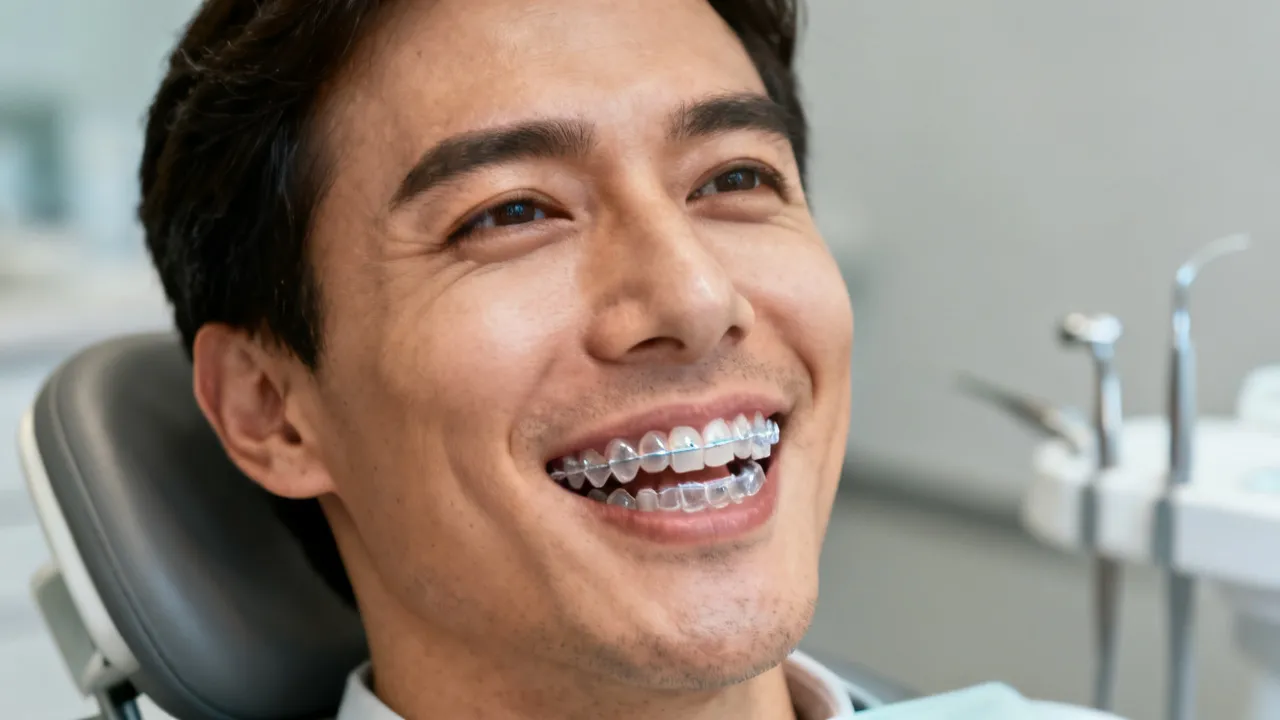
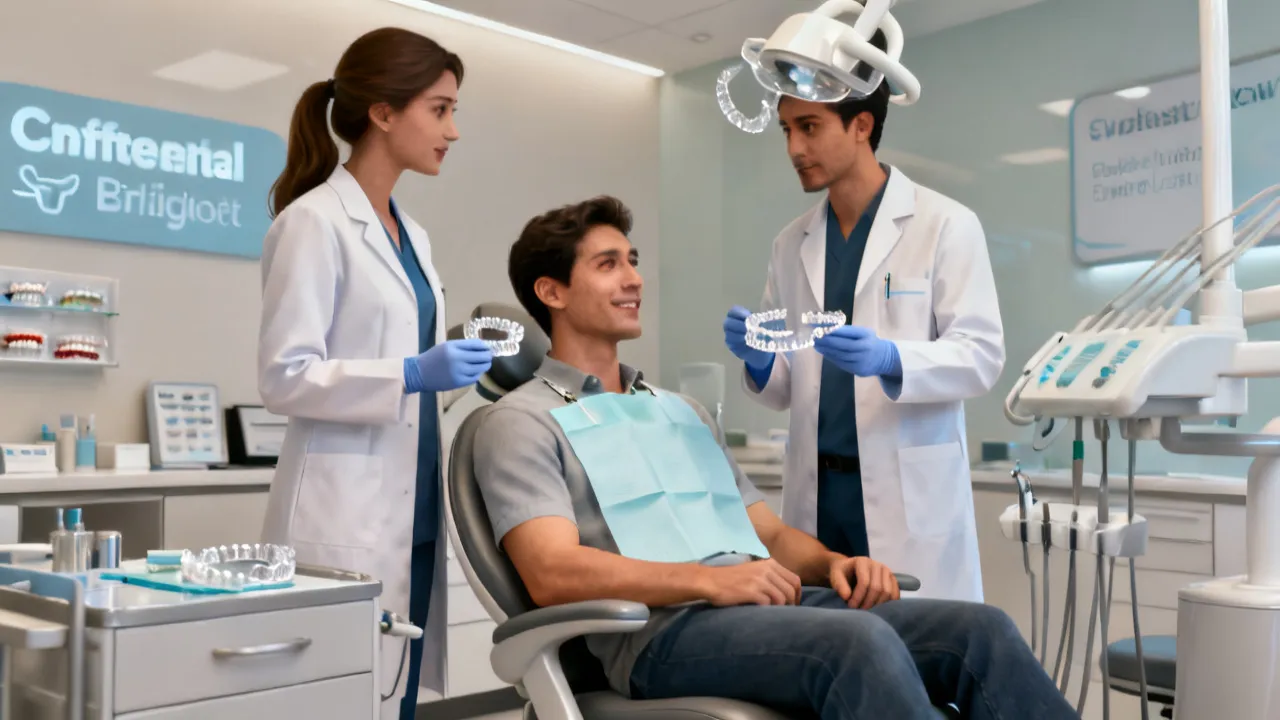
- Clear aligners: Often attractive due to esthetic discretion and removable convenience. Alignment outcomes depend on accurate impressions/scans and the orthodontist’s ability to plan attachments (small bonding features), optimize staging, and manage compliance. Many aligner cases are successful for mild-to-moderate crowding and certain bite corrections, but complex tooth movement (especially where precise root control is essential) requires careful planning.
- Braces: Can be advantageous for cases needing complex tooth movements or strong anchorage. Brackets provide continuous mechanical control and can be helpful when the clinician needs predictable force application across many teeth. Braces may also be helpful when an adult requires corrections that demand robust torque control or coordinated vertical adjustments.
- Combined orthodontic-restorative timing: Adults sometimes need coordination with crowns, veneers, or implants. Timing affects the final outcome. For example, if crowns or veneers are placed before orthodontic movement is complete, the final bite and smile may not match the intended alignment, and orthodontic forces could complicate restorative longevity.
When choosing between aligners and braces, look for a clinician who can explain rationale in plain terms. A strong orthodontist should tell you:
- what movements are required (and whether they’re predictable with the chosen method);
- what might be harder (for example, certain rotations, deep bites, or root torque);
- how the orthodontist reduces risk (for example, controlling root position, monitoring periodontal response, and ensuring occlusion stability);
- how long the active phase is likely to last and what the retention plan is.
For adult patients with gum recession or compromised bone support, the method choice should not be driven purely by appearance. The right method is the one that achieves the objective safely.
5) Real-World Cost Considerations: How Adults Typically Manage Expenses
Cost for adult orthodontics can vary widely based on treatment length, the complexity of tooth movement, and whether additional dental services are required before or after orthodontics. Adults often need extra steps that adolescents typically do not—steps that can affect overall cost even if orthodontic “braces or aligner” fees look similar at first glance.
Adults may also need:
- Comprehensive diagnostics (digital scans, imaging, possibly additional records);
- Periodontal stabilization (gum therapy or active inflammation control before moving teeth);
- Restorative modifications before or after orthodontics (for example, adjusting crowns or planning future veneers based on final tooth alignment);
- Retention planning (retainers are not an afterthought—good stability is the goal). Retainers may include fixed components, removable retainers, and follow-up visits; sometimes there are costs associated with replacement if a retainer is lost.
Rather than searching only for the lowest price, consider total value: the clinician’s diagnostic rigor, the plan’s precision, and the follow-up schedule. A lower-cost plan that lacks robust diagnostics or a retention strategy can cost more later if relapse occurs or if restorative work needs revision.
That said, budget is often a major constraint. If your orthodontic goals intersect with missing teeth or the need for implant-supported restorations, it becomes important to understand how the broader treatment sequence can influence cost. For example, if you need orthodontic space closure or coordination with planned implants, the orthodontic timeline may be staged. Staging can change how many visits are required, how long you maintain appliances, and when restorative or implant fees occur.
When evaluating costs, ask for a written breakdown and clarify what’s included. Helpful questions include:
- What is included in the quoted fee (exams, imaging, retainers, adjustments, emergency visits)?
- How are additional visits or treatment extensions priced?
- Are there separate fees for attachments, scans, or refinements?
- What is the retention plan, and is it included in the total price?
- Will my treatment require periodontal or restorative coordination, and who manages that workflow?
Cost transparency is not just financial—it’s also a marker of how organized and predictable the clinic’s process is.
6) Low-Cost Dental Implants: Context for Adult Orthodontic and Restorative Planning
Some adult orthodontic cases involve spaces from missing teeth, prior extractions, or failing restorations. In those scenarios, dental implants may become part of the best overall plan—either to support bite stability, to restore function for chewing, or to anchor future restorations. Since affordability is often a concern, it is useful to know where low-cost implant information is published and how different providers frame implant pathways.
Even if your immediate focus is orthodontics, understanding implant cost structure can help you plan the broader treatment sequence. Many adults will discover that orthodontic movement and restorative replacement must work together. For example, an orthodontist may want to close spaces or align teeth in preparation for an implant crown. Alternatively, implants may need to be placed after orthodontic alignment to ensure the final occlusion and smile aesthetics are correct. Without coordination, you might pay for orthodontic changes that later require modification due to restorative timing.
Note: Always treat “low cost” as a starting point for discussion, not as a guarantee of a specific price. The clinical appropriateness of the implant type (including considerations like bone quality and loading forces), the diagnostic quality, and the follow-up plan can influence long-term value.
| Website | Low-cost implant information focus |
|---|---|
| dentalviews.com | Explains low-cost implant solutions, typical benefits, treatment overview, and what influences cost |
| atlanticdentalgrp.com | Clinic-service overview with emphasis on implant-related services and appointment access |
| dentavacation.com | Dental tourism angle for comparing costs abroad and arranging travel for procedures |
| rockvilledentalarts.com/es | Spanish-language clinic information covering implants and related services for local accessibility |
| unioncityminidentalimplants.com/es | Mini-implant specialization with Spanish-language explanations for specific tooth-loss scenarios |
Source of table information (links below):
source: www.dentalviews.com
source: www.atlanticdentalgrp.com
source: www.dentavacation.com
source: www.rockvilledentalarts.com/es
source: www.unioncityminidentalimplants.com/es
7) Step-by-Step: How to Get Dental Implants at Low Cost in Spanish- and Portuguese-Speaking Contexts
Below is an objective, practical sequence you can adapt when you’re exploring low-cost implant pathways in Spanish-speaking and Portuguese-speaking countries. The purpose is not to guarantee a specific price, but to outline a process that commonly reduces avoidable cost while improving decision quality. Even if you speak English, you may still benefit from this framework because it helps you compare clinics consistently and ask the right questions before committing.
Keep in mind a key principle: implant cost should be evaluated as “the cost of a complete and safe pathway,” not as a single line item. Clinics may advertise low prices but charge separately for necessary steps such as imaging, bone grafting, temporary teeth, abutments, and prosthetic components. A careful process helps you avoid surprise add-ons.
7.1 Step-by-step guide (Spanish-speaking countries)
- Start with a full diagnostic record: Ask for clinical exam, imaging (such as panoramic and/or CBCT where indicated), and an assessment of bone quantity and health of surrounding teeth and gums. If you don’t have a clear understanding of bone quality, any implant “quote” may be premature.
- Clarify whether a mini-implant approach is appropriate: Some clinics specialize in mini dental implants. These may be relevant when the clinical scenario supports it. Confirm suitability rather than assuming. “Cheaper” can be appropriate in the right case, but mini implants are not universally interchangeable with standard implants.
- Request a written treatment sequence: For many patients, implants involve staging (extractions, bone management, implant placement, healing, and then the final crown/bridge). Make sure the stage list is in writing so you can evaluate total time and costs across the entire process.
- Ask for transparency on what “low cost” includes: Confirm what materials, imaging, surgical support, and prosthetic components are covered, and what may be billed separately. Ask about anesthesia options and medication charges if you have them.
- Discuss insurance or plan coverage: If dental insurance is available, verify what portion may apply. Some insurers provide educational resources and plan guidance, but policies differ widely. If you’re uninsured, ask whether there are financing plans or staged payment schedules.
- Evaluate continuity of care: Low cost should not come at the expense of follow-up. Ask about recall schedules and complication management policies. Clarify what happens if you need an additional procedure for bone or if healing is delayed.
- Confirm credentialing and experience: For implants, clinician experience and case selection matter. Ask how often similar cases are treated and whether the clinic has a defined protocol for implant complications.
- Check retention and maintenance requirements: Implants still require hygiene protocols and periodic professional evaluation. Ask for specifics—how often you should return, what cleaning tools are recommended, and whether there are maintenance packages.
7.2 Step-by-step guide (Portuguese-speaking countries)
- Use local clinic resources to reduce friction: When you can receive care locally, you may reduce logistics costs and time away from daily responsibilities. Even if you travel, ensure you have a plan for follow-up after you return home.
- Compare implant and prosthetic components separately: Some price differences reflect prosthetic design, materials, or number of components. Ask for a breakdown so you can compare clinics fairly.
- Ask about modern technology and treatment planning: Clinics that use contemporary diagnostic tools can sometimes reduce “trial-and-error” and improve predictability. In an implant workflow, that can mean better planning for angulation and proximity to nerves/sinuses, and better communication between surgeon and prosthodontist.
- Assess the role of orthodontics if spaces exist: If the implant is planned to support future alignment, your orthodontist should coordinate timing with restorative stages. In some cases, orthodontics can prepare the site; in others, implants can influence how alignment is achieved.
- Check for comprehensive aftercare: Confirm post-surgery visits, medication guidance, and good maintenance plans. A low-cost clinic should still provide clear postoperative instructions and emergency contact pathways.
- Consider plan-based dental access where available: Some providers offer dental plan networks. These may reduce the upfront cost but can have restrictions on provider choice or follow-up availability. Confirm what happens if you need a specialist referral.
Across both regions, the key is to compare “care packages” rather than only headline numbers. A clear written plan typically reduces unexpected costs. The best “low-cost” pathway is usually the one that prevents avoidable rework.
It may also be helpful to ask how the clinic handles:
- bone grafting or sinus considerations;
- temporary tooth placement (immediate vs delayed);
- implant brand or surface type choices and how those choices affect outcomes;
- prosthesis material selection (and the expected lifespan);
- how they monitor integration and what criteria they use before final restoration.
These questions are directly connected to long-term value and safety.
8) Approximate Individual Dental Implant Cost Ranges by Country (Reference Only)
Because adult implant needs vary (single-tooth versus multiple sites, bone requirements, and prosthetic design), the ranges below are presented as reference bands for individual dental implants only. These figures should be treated as starting points for discussion, not quotes. Actual cost is influenced by diagnostic findings, whether bone grafting is needed, the implant system used, and the type of final restoration (for example, a crown vs bridge connector).
Additionally, in real-world planning, the cost to an adult patient is rarely only the implant itself. It includes diagnostic steps, potential adjunctive procedures, and often restorative planning fees. If you are coordinating orthodontics, there may also be additional visits or staging costs.
| Country | Currency | Price range (individual implant) |
|---|---|---|
| Spain | EUR (€) | €1,500 - €2,500 |
| Chile | CLP (CLP$) | CLP$800,000 - CLP$1,500,000 |
| Mexico | MXN ($) | $15,000 - $25,000 |
| Colombia | COP ($) | $2,000,000 - $4,000,000 |
| Peru | PEN (S/) | S/ 3,000 - S/ 6,000 |
| Argentina | ARS ($) | $80,000 - $150,000 |
| Brazil | BRL (R$) | R$3,000 - R$8,000 |
| Portugal | EUR (€) | €1,000 - €2,000 |
9) How This Connects Back to Adult Orthodontics
Many adults seek orthodontic care to improve alignment, bite function, and confidence. However, a stable result often requires that missing teeth, compromised gums, and restorations are addressed strategically. For some adults, the orthodontic plan is inherently tied to restorative replacements. For example, you might need space creation for an implant, or you might need orthodontics to finalize tooth alignment so a future implant-supported tooth looks natural and occludes correctly.
If your orthodontist anticipates future implant-supported teeth or closing spaces after implant placement, the treatment timeline must be planned so that:
- tooth movement does not jeopardize periodontal support;
- restorative outcomes match orthodontic positioning;
- occlusion is harmonized to support good comfort.
This is where the ability to coordinate becomes essential. Orthodontists who treat adults effectively often establish a communication pipeline with other dental specialists. That could mean sending records and proposed tooth positions to a prosthodontist so crowns and bridges are designed to fit the new occlusion. It could also mean coordinating with an implant dentist regarding timing and the intended implant location relative to tooth movement.
When you ask for an Orthodontist for Adults Near Me, it can help to explicitly say: “I have cost constraints and may need restorative planning. How do you coordinate treatment with other dental specialists?” An expert clinic will respond with a structured explanation: what records they exchange, what sequencing they recommend, and how they manage uncertainties.
To make coordination easier, many clinics provide a treatment map showing phases. For adult patients, a good map might look like:
- phase 1: diagnostic records, periodontal stabilization, and orthodontic start preparation;
- phase 2: active alignment/space management while maintaining periodontal safety;
- phase 3: restorative/implant staging (if needed);
- phase 4: finish alignment, occlusal refinement, and restorative finalization;
- phase 5: retention and long-term maintenance.
Not every case follows these steps identically, but the presence of a clear sequencing discussion is a strong quality indicator.
10) FAQs About Adult Orthodontics and Finding an “Orthodontist for Adults Near Me”
FAQ 1: What questions should I ask when I book an adult orthodontic consultation?
Ask about diagnostics (imaging and digital scans), how your periodontal health is assessed, the estimated treatment phases, retention plans, and whether they coordinate with restorative or implant specialists when needed. You can also ask about follow-up frequency and how they handle refinements if tooth movement does not progress as planned.
Useful questions include:
- What are the specific goals for my bite and smile?
- How will you protect periodontal health while moving my teeth?
- What movements are expected with aligners/braces and what are your limitations?
- What is the plan if I lose an aligner or miss wear time?
- What does retention include, and what is the long-term maintenance plan?
FAQ 2: Are clear aligners suitable for very adults?
Many adult cases can be treated with aligners, but suitability depends on your bite pattern, required tooth movements, periodontal stability, and how well your orthodontist can control mechanics. A good clinic will explain why aligners are appropriate—or why braces may be safer or more predictable. In adults with significant bite issues, clinicians may prefer braces or a combined strategy for better control.
FAQ 3: Does adult orthodontics take longer than adolescent treatment?
Time can vary by case complexity, tooth movement requirements, and adherence to aligner wear or bracket adjustments. Adults may also have additional restorative or periodontal considerations that influence timelines. For example, if active gum inflammation needs to be stabilized before orthodontic forces begin, time can shift. Additionally, some adults require staged appointments because of work schedules, which can extend the overall duration but still produce a safe result.
FAQ 4: Can orthodontics and dental implants be planned together?
Yes, in many treatment pathways coordination occurs. For example, orthodontics may close spaces or align teeth before implants, or implants may support bite and restorations after orthodontic positioning. The critical factor is sequencing and occlusion planning. If implants are placed without considering the planned orthodontic movement, the final bite may not harmonize, which can affect both function and aesthetics.
FAQ 5: How do I evaluate whether a low-cost dental implant option is safe?
Seek transparency: written breakdowns, evidence of diagnostic quality, clinician experience, clear aftercare policies, and realistic expectations about restorations and follow-up. “Low cost” should not reduce diagnostic standards. If a clinic cannot clearly explain the diagnostic steps and the staging plan, that may indicate risk.
You can evaluate safety by asking about:
- imaging used to plan implant placement;
- whether bone grafting is likely and how it would change cost and timeline;
- how they manage complications (infection, delayed healing, implant stability issues);
- who handles the prosthetic phase and how that is coordinated.
FAQ 6: Are mini dental implants always cheaper and always better?
Mini implants can be cost-effective in specific scenarios, but “better” depends on clinical appropriateness. Your implant provider should assess bone quality, tooth mobility risks, bite forces, and restoration design before recommending a mini-implant approach. Mini implants may not be appropriate for all locations or occlusal loads. For adults with specific biomechanics, a standard implant may be preferable for long-term stability.
FAQ 7: What should “retention” mean in adult orthodontic treatment?
Retention is the phase designed to preserve tooth positions after active movement. Adults often require a retention plan tailored to their risk of relapse (for example, crowding patterns and periodontal stability). Ask what retainers you will use and for how long. Also ask whether retention includes monitoring and how the clinic handles broken retainers.
Retention isn’t simply a “stop at the end” step; it’s an integrated part of the adult plan because adult teeth can be more stable in some situations yet also more prone to long-term drift if periodontal support or occlusal forces are not managed.
FAQ 8: Is it possible to get adult orthodontics near public landmarks or in central areas?
Often yes, depending on your city and local clinic distribution. Practically, you should prioritize clinical fit over neighborhood proximity; still, many clinics located near major transit hubs or central districts can offer practical scheduling for working adults. When you search an Orthodontist for Adults Near Me, check whether they offer evening appointments, consistent appointment intervals, and clear communication channels. Adult patients often need reliable scheduling to maintain follow-up without disrupting work and family commitments.
11) Practical Checklist: How to Choose Your Orthodontist for Adults Nearby
Use this checklist before committing. It’s designed to help you assess both clinical competence and process quality—two factors that matter strongly in adult orthodontics:
- Comprehensive evaluation: Imaging, bite assessment, and periodontal considerations discussed upfront. The clinic should demonstrate it understands adult risk factors and your particular dental history.
- Clear treatment plan: Phases, approximate duration, and retention strategy explained. “We’ll see” is not a plan, especially in adult cases with restorative and periodontal factors.
- Coordination capability: Ability to liaise with periodontists, prosthodontists, and implant specialists. Ask who coordinates and how communication is handled.
- Risk communication: Honest discussion about limitations, especially for complex adult cases. A good orthodontist does not oversell outcomes and explains potential need for refinement.
- Cost transparency: Written quotes and explanation of what is included. Clarify costs for refinements, additional imaging, emergency visits, and replacement retainers.
- Aftercare and monitoring: Follow-up schedule and maintenance guidance. Retention is a long-term relationship, and the clinic should provide a plan for long-term monitoring.
From an expert standpoint, these items are strong predictors of a predictable, coherent journey—regardless of whether the final method is aligners or braces. Adult orthodontics is complicated, and the right clinic makes complexity feel structured rather than random.
Consider adding these “adult-specific” checks:
- Do they discuss root positioning and periodontal stability explicitly?
- Do they consider your TMJ symptoms (if present) in the occlusion plan?
- Do they ask about clenching/grinding and whether you need a bite guard?
- Do they consider your restorative timeline (are you planning crowns/veneers soon)?
- Do they explain how tooth movement may affect future restorations?
12) Conclusion: A Better Search Strategy for Adult Orthodontic Care
Searching for an Orthodontist for Adults Near Me is a good starting point, but the decision should be driven by clinical rigor rather than convenience alone. Adult orthodontics benefits from detailed diagnostics, coordinated planning, and retention-focused thinking. If your goals overlap with missing teeth or implant-supported restorations, understanding low-cost implant pathways—and evaluating them through the lens of safety, transparency, and aftercare—can help you build a realistic plan.
Your best outcome is typically the result of a cohesive strategy across disciplines: orthodontics, periodontal stability, restorative design, and—when needed—implant placement and maintenance. When you choose a clinic that treats the process as a plan-building journey, you reduce the likelihood of surprises and increase the probability of long-term satisfaction.
Disclaimer
1) The above information comes from online resources, and the data is as of October 2023. 2) Dental implant prices are for reference only and may vary by region, clinic and doctor.
Reference Links
https://dentalviews.com/low-cost-dental-implants/
https://www.atlanticdentalgrp.com/
https://www.dentavacation.com/
https://rockvilledentalarts.com/es/
https://unioncityminidentalimplants.com/es/
https://www.cigna.com/es-us/knowledge-center/guide-to-dental-implants
https://www.rubiodonto.com.br/
https://odontologiavelasco.com.br/
https://dentalvidas.com.br/