
Navigating Icehrm Github Resources
IceHRM is an innovative, open-source human resource management software hosted on the popular platform GitHub. It offers a flexible, modular system for handling various HR tasks. This article delves into its functionalities, benefits and provides guidance on how to leverage IceHRM on GitHub effectively, positioning it as a key resource for HR management in organizations globally.
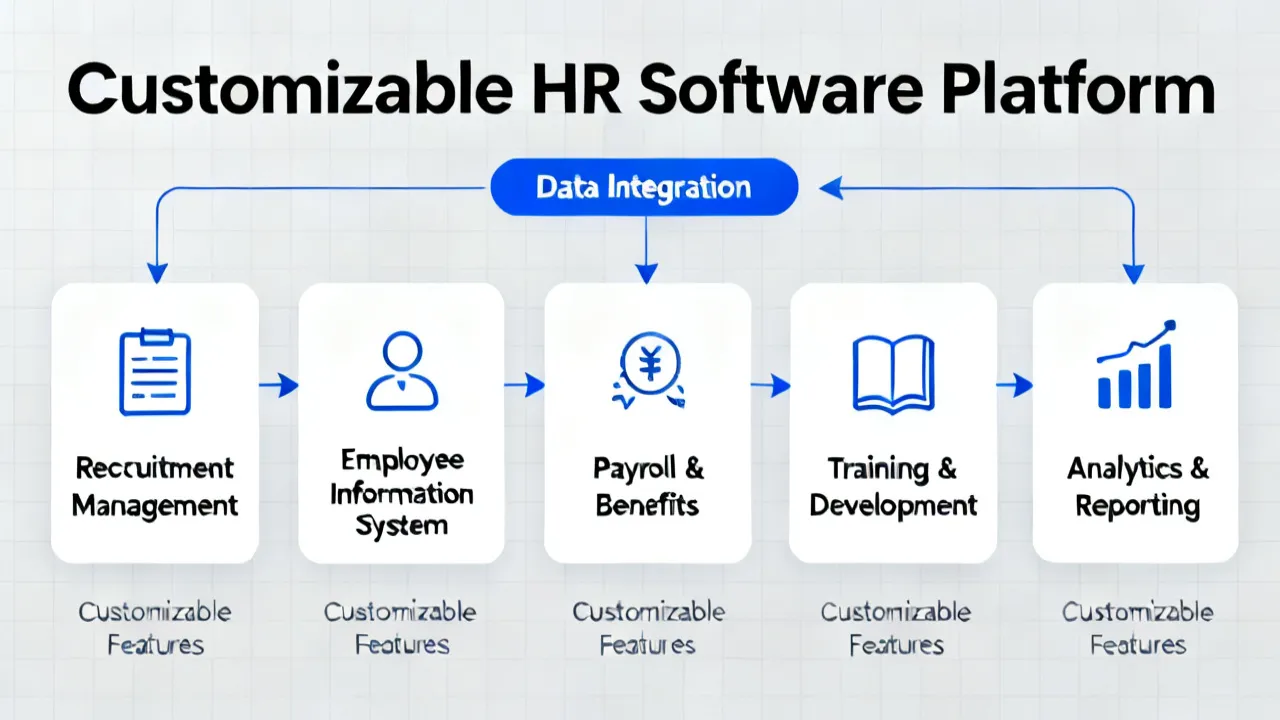
Understanding IceHRM on GitHub
IceHRM, an open-source Human Resource Management (HRM) system, has steadily gained recognition as a powerful tool for organizations seeking to streamline their HR processes. Hosted on GitHub, IceHRM provides a flexible and modular system, catering to various HR management tasks such as employee information management, leave management, payroll processing, and much more. This article explores how professionals can effectively leverage the functionalities available through the IceHRM GitHub repository, delving into its architecture, user community, and the continuous development that supports its capabilities.
What Makes IceHRM Stand Out?
The primary allure of IceHRM lies in its adaptability and expansive feature set. Users benefit from its open-source nature that allows for customization to meet specific organizational needs. This versatility is primarily facilitated through its presence on GitHub, a collaborative platform that enables professionals to modify, enhance, and share their versions of the software with a global community. Furthermore, IceHRM's commitment to open-source principles ensures a level of transparency and control rarely found in proprietary software. This aspect empowers users to contribute to the project, ensuring that it continually evolves to meet emerging HR management trends and challenges.
Key Features and Benefits
IceHRM offers a wide range of features that endear it to HR departments across various sectors. Notably, it provides:
- Employee Information Management: Maintain comprehensive employee profiles including personal information, job roles, and performance evaluations. This centralized system allows HR professionals to easily access and update employee records, fostering a more organized and efficient approach to personnel management.
- Leave Management: Simplify the process of leave requests and approvals, with full tracking capabilities for accurate record-keeping. IceHRM provides an intuitive interface for employees to request leave and for managers to approve or deny these requests, significantly reducing administrative overhead.
- Payroll Management: Automate payroll processing, ensuring timely and error-free transactions. The payroll module supports various payment structures and allows for easy integration with tax compliance systems, helping organizations maintain adherence to legal requirements.
- Time and Attendance Monitoring: Track employee work hours diligently to enhance productivity and ensure compliance with company policies. Features include clock-in/clock-out functionalities and reporting tools to analyze attendance patterns, thereby assisting management in strategizing workforce allocation.
- Performance Management: Facilitate continuous employee development through performance evaluation tools. Managers can establish clear metrics and conduct regular reviews, which contribute to a culture of feedback and professional growth within the organization.
- Reporting and Analytics: Leverage data insights through customizable reports that can help HR teams make informed decisions based on real-time analytics related to staffing, payroll expenditure, and employee engagement.
Utilizing IceHRM on GitHub
Leveraging the IceHRM resources effectively requires an understanding of GitHub's platform. Here's a step-by-step guide to maximizing your experience with IceHRM:
- Navigate to the IceHRM GitHub Repository: Start by visiting the official IceHRM page on GitHub to access the codebase. Familiarize yourself with both the main repository and its forks, as they may contain different customizations and enhancements created by other users.
- Explore Available Documentation: Comprehensive documentation outlines the system’s features and provides guidance for installation, customization, and troubleshooting. It is essential to thoroughly read through the README files and user manuals available in the repository.
- Clone the Repository: Make a local copy of the IceHRM system for your use and modification by cloning the repository with Git commands. This allows you to have a version-controlled environment so you can experiment with changes without risking the main system's stability.
- Customization and Integration: Utilize the modular structure to integrate with other tools and customize based on specific organizational needs. Consider exploring plugins or third-party integrations that could enhance IceHRM’s functionality within your existing technological ecosystem.
- Join the Community: Engage with the IceHRM community on GitHub. Participate in discussions, contribute with code, and give feedback on issues or feature requests. Community involvement not only enhances your personal learning experience but also strengthens the IceHRM platform as a whole.
- Contribute to the Development: If you have programming skills or specific ideas for improvement, consider contributing to the IceHRM project. You can report issues, suggest features, or even submit pull requests to enrich the codebase. This collaboration cultivates a sense of ownership and pride in the project's evolution.
- Stay Updated: Follow the repository and keep notifications enabled for issues and releases. Keeping abreast of new changes, updates, and community contributions ensures that you are always utilizing the best version of the software available.
Comparison with Other HRM Systems
| HRM System | Key Features | Customization | Community Support |
|---|---|---|---|
| IceHRM | Employee management, Leave and Payroll, Performance Management | High, via GitHub access | Strong, active on GitHub |
| Zoho People | Recruitment, Onboarding, Time Tracker, Employee Engagement Tools | Limited, proprietary system | Moderate, proprietary forums |
| BambooHR | HR Reporting, Benefits Administration, Employee Self-Service | Low, limited flexibility | Strong, dedicated support |
| Gusto | Payroll, Benefits Management, Compliance | Moderate, offers integrations | Strong, customer service oriented |
| Workday | Financial Management, Talent Management, Analytics | Very low, enterprise-level | Very strong, enterprise-level support |
FAQs on IceHRM
Q: Can IceHRM be integrated with other systems?
A: Yes, its modular structure allows for customization and integration with other business systems and tools. You can develop APIs or utilize webhooks to connect IceHRM with software such as CRM tools, attendance management systems, or specialized payroll services.
Q: Is IceHRM affordable to use?
A: As an open-source project hosted on GitHub, IceHRM is accessible for modification and usage, though some features in enhanced versions may require payment. Consider that while the software itself may be free, you might incur costs related to hosting, customization, and ongoing maintenance.
Q: How often is IceHRM updated?
A: Updates are community-driven, with contributions and revisions regularly integrated to improve functionality. It is advisable to monitor the GitHub repository for the latest updates and to periodically check for security patches and new features.
Q: What programming knowledge is required to customize IceHRM?
A: Familiarity with web development technologies such as HTML, CSS, JavaScript, and PHP is beneficial for customizing IceHRM. Understanding how to work with databases (e.g., MySQL) can also be crucial for advanced modifications.
Q: What platforms can IceHRM be deployed on?
A: IceHRM can be deployed on any server environment that supports PHP and MySQL. This broad compatibility allows for deployment on local servers, cloud hosting platforms, or even managed hosting environments that facilitate PHP applications.
Use Cases of IceHRM in Different Industries
IceHRM serves a diverse array of industries, each benefiting from its unique features tailored to specific operational requirements. Below, we explore various use cases of IceHRM across different sectors:
1. Educational Institutions
Schools and universities can utilize IceHRM for managing faculty and staff records, tracking attendance, and processing payroll. The leave management feature is particularly essential in educational environments where staff may seek to take leave during peak periods like exam seasons. Furthermore, the performance evaluation module can be effectively adapted to assess teaching quality and academic contributions, fostering a culture of continuous improvement in educational outcomes.
2. Healthcare Providers
The healthcare sector often deals with a complex workforce comprising doctors, nurses, and administrative staff. IceHRM can streamline credential verification processes for healthcare professionals, keep track of employee certifications, and manage leave schedules in compliance with patient care standards. Moreover, by employing IceHRM's reporting tools, healthcare administrators can analyze workforce patterns to optimize staffing levels in response to patient needs.
3. Non-Profit Organizations
Non-profit organizations, often reliant on volunteers, can benefit from IceHRM’s comprehensive volunteer management features. By tracking volunteer hours, managing roles, and implementing performance evaluations for volunteer contributions, non-profits can ensure that they maximize their impact and effectively allocate resources. The customization options allow these organizations to adapt HR practices that align with their mission and values.
4. Retail and Sales
In retail environments, IceHRM can aid in the management of varying employee schedules and shift patterns. Through the time and attendance monitoring feature, retailers can ensure that peak times are adequately staffed while managing overtime and compliance with labor laws. Additionally, employee performance metrics can be implemented to identify high performers and support professional development initiatives, leading to enhanced sales performance.
5. Technology Companies
Tech companies, often characterized by rapid growth and dynamic teams, can leverage IceHRM's adaptability to fit agile project management methodologies. Employee profiles can include specialized skills and project roles, facilitating efficient team assembly for projects and tracking contributions over time. IceHRM can serve as a repository for knowledge transfer, ensuring that skills and competencies are recorded and available for future project efforts.
Best Practices for Implementing IceHRM
Transitioning to IceHRM requires thoughtful planning and implementation strategies. Below are some best practices for organizations looking to instate IceHRM effectively:
- Conduct a Thorough Needs Assessment: Prior to implementation, gather input from various stakeholders within your organization to ensure that IceHRM aligns with your specific HR requirements and processes.
- Plan for Data Migration: Develop a clear strategy for transferring existing employee data into IceHRM, ensuring data integrity and compliance with privacy regulations.
- Train Employees: Provide comprehensive training for administrators and staff on how to use the system effectively. Creating user documentation or offering hands-on workshops can significantly enhance user adoption and minimize resistance.
- Set up a Support System: As you roll out IceHRM, establish a support structure within your organization to assist users with queries and technical issues. This could include in-house experts or leveraging the IceHRM community for technical support.
- Regularly Update the System: Stay proactive in maintaining IceHRM by regularly checking for updates and new features that can enhance your HR functionalities. This not only boosts security but also keeps your HR processes optimized.
- Solicit Feedback: Continuously gather feedback from users to identify areas for improvement and additional customization. Creating a culture of open communication can lead to significant enhancements in the user experience and system effectiveness.
Conclusion
With its robust feature set and flexibility offered through its GitHub repository, IceHRM is an invaluable tool for modern HR departments. By effectively leveraging its tools and engaging with the active development community, organizations can drive significant efficiencies in human resource management processes. For those considering an HRM solution, IceHRM deserves a place at the top of your shortlist, particularly for tech-savvy teams that emphasize customization and integration. The ongoing support from a global network of developers and users adds to IceHRM's appeal, making it a practical choice for organizations looking to enhance their HR operations.