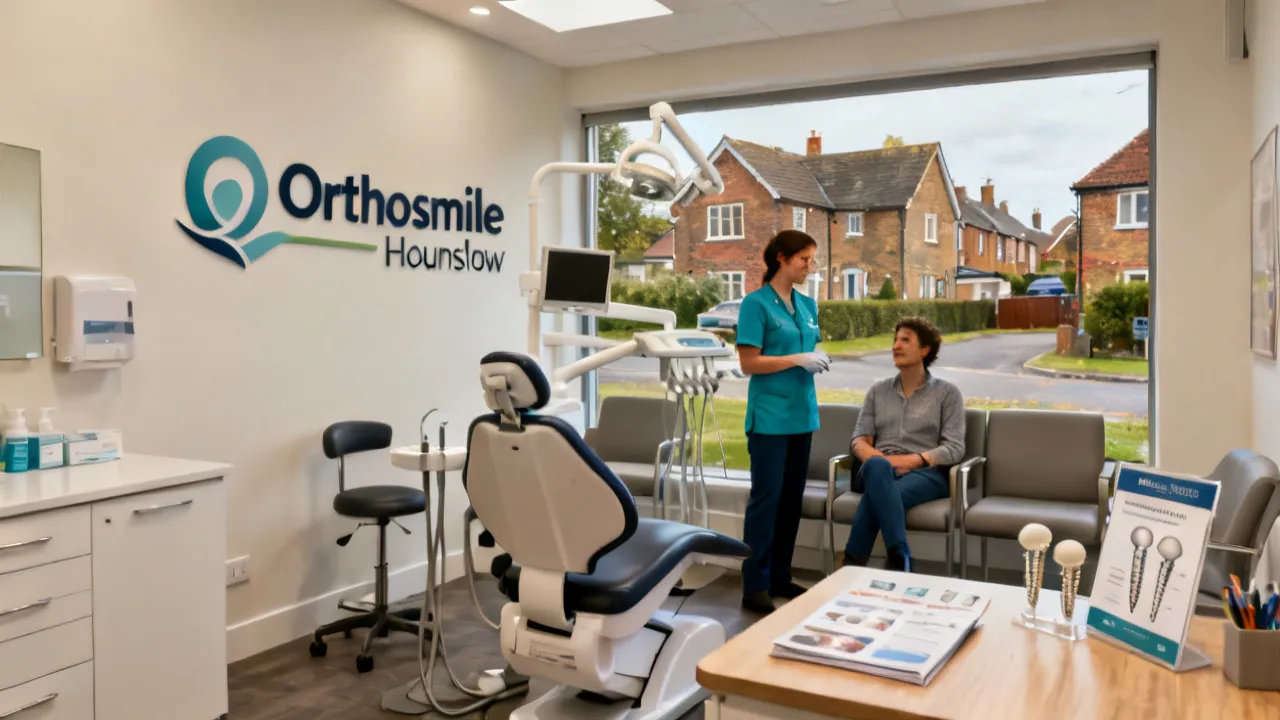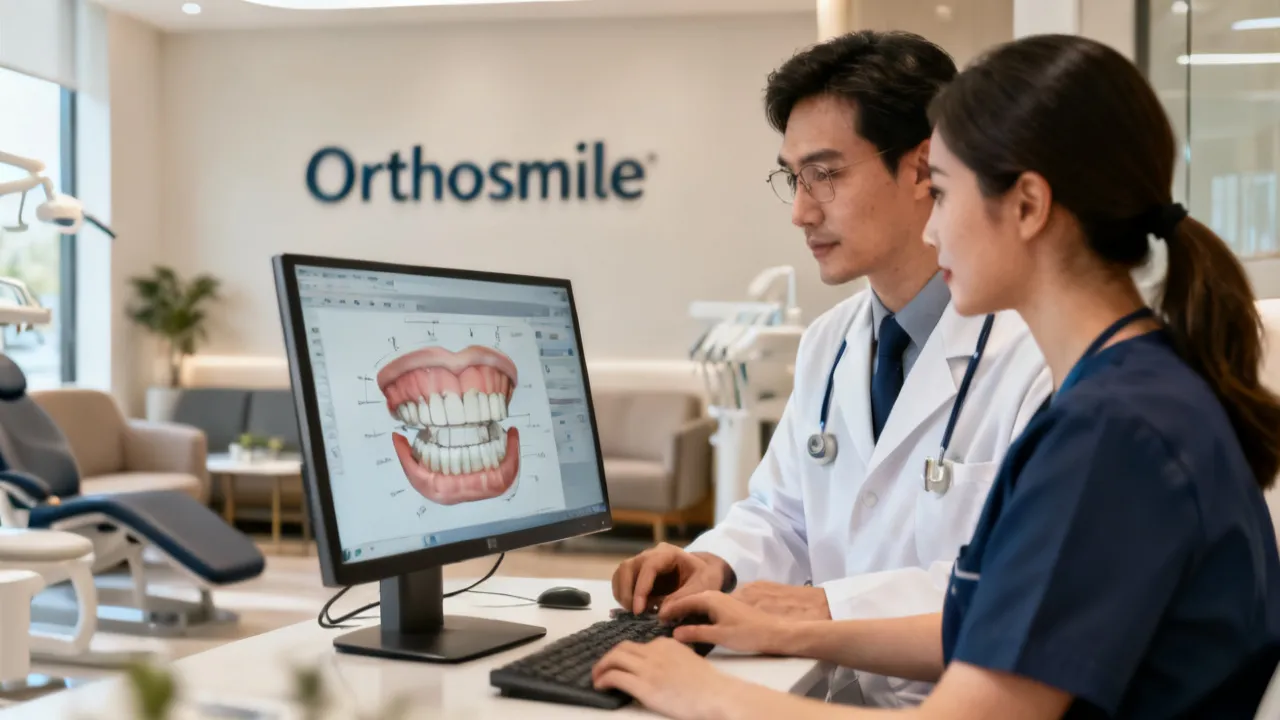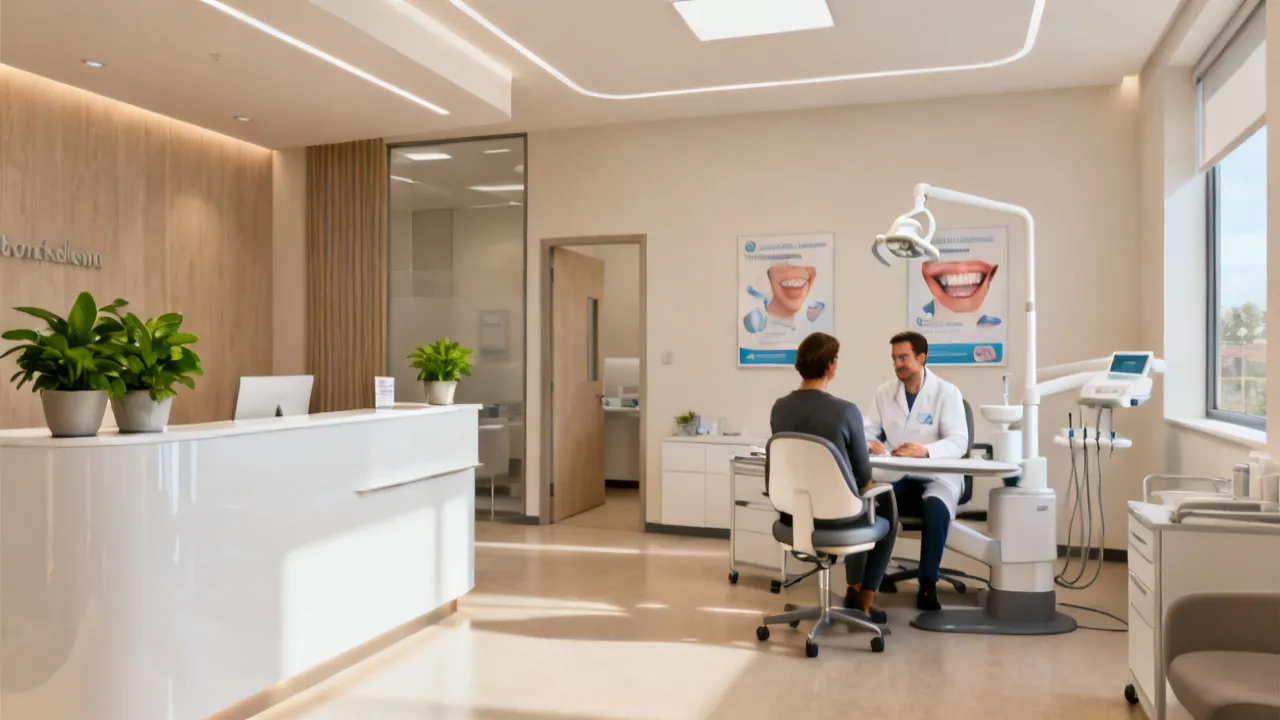

Orthosmile Hounslow Guide to Implants and Orthodontics
This guide explains how Orthosmile Hounslow supports patients considering dental implants and orthodontic care. It also compares how low-cost implant information is presented across English-, Spanish-, and Portuguese-speaking markets, outlines practical steps to pursue affordable options, and offers reference price ranges by country. The focus is objective decision-making, not marketing claims.
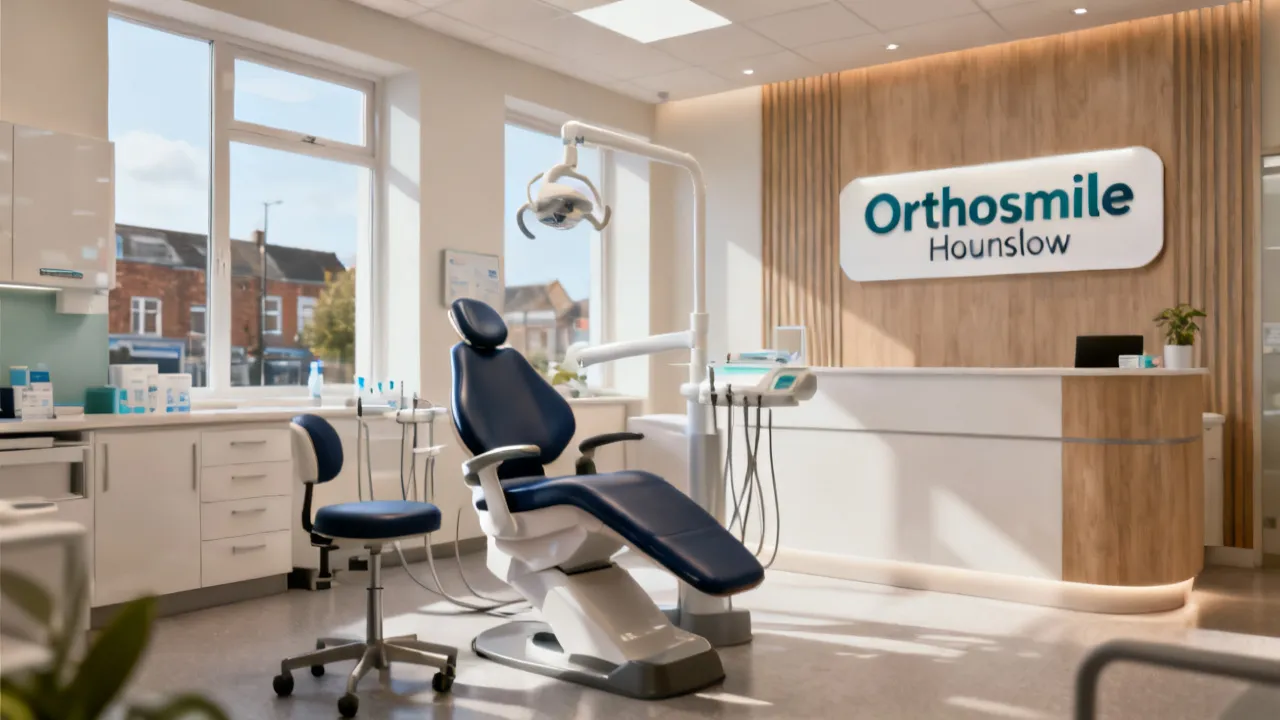
1) Why Orthosmile Hounslow is Relevant for Implant and Orthodontic Decisions
Dental implants and orthodontics sit at the intersection of clinical planning and good outcomes. If you are exploring treatment near Orthosmile Hounslow, you are likely balancing multiple priorities: function (chewing and speech), comfort, aesthetics, and predictable care pathways. In practice, a patient’s “top next step” depends on oral health status, bone volume, bite alignment, gum health, and the overall treatment sequence—especially when implants and orthodontic goals overlap.
From an expert perspective, the very important early consideration is whether the clinical plan is designed around biology and mechanics, not around a price point. Low-cost implant routes can be appropriate for some patients, but only when the implant choice, surgical approach, and aftercare align with safety and quality standards. A clinic’s relevance is not just geographic convenience; it is also about whether their process is compatible with your long-term needs: stable implants, healthy peri-implant tissues, and a bite that works.
Patients often assume that implant care is purely “surgical,” while orthodontics is purely “aligning teeth.” In reality, successful long-term outcomes usually require a coordinated plan. Orthodontics influences tooth positions, spaces, occlusion, and sometimes the contours of the gums—factors that determine implant placement, emergence profile, and whether the final restoration will look natural. Implants, in turn, can affect orthodontic decisions because once a fixture is placed, the mechanics of tooth movement are constrained. That is why you will often hear clinicians talk about sequencing and staging: what should happen first, what must wait, and what can be combined.
When you are considering a clinic in Hounslow, you may also be comparing options that vary in terms of appointment availability, approach to imaging, and how they handle complex cases. Relevance also includes whether the team can coordinate with your general dentist, manage periodontal considerations, and provide follow-up maintenance that reduces the risk of long-term complications such as peri-implant mucositis and peri-implantitis. In a comprehensive practice, orthodontic records, implant records, and periodontal records are not “separate silos”; they are part of one overall risk-managed plan.
Another practical reason Orthosmile Hounslow may come up in searches is that patients who already have orthodontic records or who have been told they might need an implant in the future want continuity. If you are already mid-way through orthodontic treatment, switching providers later can complicate the timeline and increase the number of records and approvals needed. Continuity can also help reduce the risk of duplication: repeated scans, repeated assessments, and repeat impressions. While repetition is sometimes necessary, it is best when it is clinically justified rather than administrative.
2) What Dental Implants Commonly Need (Clinical Context, Not Hype)
Dental implants replace missing teeth by anchoring a titanium (or titanium-alloy) fixture into the jawbone, supporting a prosthetic tooth (crown) or bridge. However, “getting an implant” is not a single event; it is a structured clinical pathway that typically includes:
- Diagnosis: clinical exam plus radiographs; often a CBCT scan for 3D assessment.
- Bone and gum evaluation: the ability of the jaw to support stable integration and the condition of surrounding soft tissue.
- Treatment planning: implant position, angulation, prosthetic-driven planning, and whether adjunctive procedures are needed (e.g., bone grafting).
- Surgery: placement of the implant under appropriate anesthesia and sterility.
- Osseointegration: a healing period where the bone stabilizes the implant.
- Prosthetics: abutment and crown/bridge fabrication and fitting.
- Aftercare: hygiene instructions, maintenance schedules, and monitoring.
It is useful to think of implants as a “system,” not a component. The implant fixture is only one part of the system; the supporting bone and the final prosthetic design determine how forces are distributed. The soft tissue seal also matters. A well-placed implant can still have problems if the crown emerges at an awkward angle that is hard to clean, or if bite forces overload the restoration, or if the patient’s periodontal condition predisposes them to inflammation. Therefore, when evaluating providers—including Orthosmile Hounslow or any clinic—focus on the clinical pathway, not just marketing claims.
Quality differences between providers usually show up in the details: diagnostic depth, documentation, risk management, prosthetic fit, and good follow-up. These are precisely the elements patients should probe before making a decision.
Below are some clinically meaningful elements patients can request or discuss, because they often reveal whether a clinic’s workflow is robust:
- Record keeping and communication: Do they provide a written plan? Do they document implant position relative to anatomical landmarks?
- Risk assessment: Do they evaluate periodontal risk, smoking risk, diabetes control, medication factors (for example, bisphosphonates or other bone-modifying agents)?
- Imaging rationale: Do they explain why CBCT is needed? Are they following radiation safety principles and using imaging when it adds value?
- Prosthetic-driven planning: Do they plan the implant position based on the final tooth shape and occlusion, not just where bone seems available?
- Surgical protocol: Do they discuss how they manage primary stability, implant depth, flap design (if used), and immediate vs delayed loading decisions?
- Healing and timing: Are they clear about when you will receive temporaries, when final crowns go on, and how they monitor integration?
- Maintenance: Do they schedule periodic check-ups and instruct how to clean around the implant?
Some clinics may offer faster “turnaround” times. Speed can be appropriate for selected patients (for example, where immediate temporaries are clinically indicated and primary stability is achieved). But if a clinic rushes the biological steps without explaining the criteria, that is a red flag. The most reliable implant outcomes usually come from controlled steps with documented milestones.
Another point that often gets overlooked is that implants can be done in different “reconstruction philosophies.” Some cases involve a single tooth; others involve multiple teeth or full-arch solutions. In those scenarios, implant number, distribution, and restorative strategy are interdependent. If you are missing one tooth, the planning questions may sound simpler; if you are missing several teeth, the planning complexity increases significantly. A relevant clinic will discuss your specific case complexity instead of assuming a “one size fits all” approach.
3) Orthodontics and Implants: Why Timing Matters
Many patients near Orthosmile Hounslow are also interested in straightening teeth or correcting bite issues. When orthodontics and implants share the same treatment “timeline,” the plan must avoid counterproductive mechanics. For example:
- Space management: orthodontic movement may create or preserve space for an implant-supported crown.
- Soft tissue shaping: gum contour can be influenced by orthodontic positioning and surgical timing.
- Occlusion (bite) coordination: implant restorations must withstand the designed bite forces; orthodontics may be used to optimize those forces.
Timing matters because the implant is a stationary anchor once it is integrated (and even before integration, movement around surgical sites is managed cautiously). If orthodontic mechanics are applied without considering where an implant will eventually be placed, you can end up with misaligned space, compromised root positions, or aesthetics that do not match the lip line.
Clinically, this often means that orthodontic alignment may precede implant placement, or implant planning may influence orthodontic mechanics. A responsible clinic will discuss sequencing explicitly, including what happens if healing timelines shift.
There are a few common sequencing approaches, each with its own logic:
- Orthodontics first, then implants: This may be chosen when the missing tooth space needs to be opened, the bite needs correction, or the soft tissue contours need preparation. By aligning the teeth first, the eventual implant can be placed in a position that supports the corrected prosthetic plan.
- Implant first, then orthodontics: This may apply when a patient needs a stable anchor or when missing teeth already prevent efficient orthodontic mechanics. However, it requires careful planning because orthodontic movements may be limited if the implant is present.
- Interdisciplinary staging: Sometimes a clinic performs a phase of orthodontics to establish space, then places the implant, then completes orthodontic adjustments after initial healing. This approach demands careful coordination between the orthodontist and implant team.
In real-life patient journeys, delays can occur due to bone graft healing times, changes in medical conditions, or missed appointments. That is why a good clinic will discuss contingency planning: how you will proceed if you cannot start the next phase on schedule, what measurements will be used to guide decisions, and whether you can pause treatment without losing the plan.
From a planning perspective, orthodontics can also influence the “restorative space” concept. A tooth needs certain mesio-distal space, occlusal clearance, and vertical space for proper crown form. If orthodontic treatment leaves the space too tight or too angled, an implant might have to be placed in a compromised position to fit within the available space. A clinic experienced in combined orthodontic-implant cases will often evaluate these parameters early with diagnostic models, scans, and records.
4) How Low-Cost Implant Information Is Presented Across Markets
Patients frequently search for “low-cost dental implants” because the total expense can be substantial. Yet “low-cost” can mean different things: streamlined processes, alternative financing, promotional bundles, or treatments delivered in settings focused on efficiency. The top way to compare options is to evaluate the process, not only the price.
When you look at low-cost implant information online, it may be presented in several ways. Some marketing emphasizes affordability and highlights introductory prices. Others emphasize the clinic network, financing availability, or quick access to treatment. Some international programs combine clinical treatment with travel arrangements. These differences matter because implant outcomes are tied to follow-up and quality control—not just a single procedure.
Below is a structured way to interpret how different sources frame “low-cost implant” content, along with what patients should look for beyond the headline:
| Website focus (low-cost implant content) |
|---|
| Dental implant affordability guidance and pricing discussions, including implant process and common questions. |
| Clinic service coverage across multiple dental needs, including implants, orthodontics, cleaning, and emergency care, with scheduling and service overview. |
| Dental tourism approach for cost comparisons and logistics when seeking implant treatment abroad. |
| Dental insurance planning perspective—how insurance coverage can reduce out-of-pocket costs for implant-related treatments. |
| Spanish-language dental clinic communication that presents services such as implants, whitening, cleaning, orthodontics, and emergency care. |
source: https://dentalviews.com/low-cost-dental-implants/
source: https://www.atlanticdentalgrp.com/
source: https://www.dentavacation.com/
source: https://rockvilledentalarts.com/es/
source: https://www.cigna.com/es-us/knowledge-center/guide-to-dental-implants
One useful principle is: when a clinic offers “low-cost,” ask what has been optimized. If the optimization is administrative efficiency (for example, streamlined scheduling, modern imaging pathways, or clear prosthetic lab collaboration), that can be positive. If the optimization is a reduction in diagnostic steps or follow-up, that can increase risk. Because implants integrate with bone, the long-term risk profile may not be fully visible in the short term. Therefore, a clinic’s willingness to explain how they maintain quality is often a stronger indicator than their ability to provide an initial price estimate.
Additionally, be aware that implant pricing can vary depending on whether a patient needs immediate replacement, temporaries, grafting, or complex prosthetics. Some low-cost promotions may focus on “implant fixture + basic crown” but exclude grafting or temporaries. A proper comparison uses total case cost, not the partial component price.
Even when two clinics cite similar total costs, differences can still exist in materials (e.g., crown material types), abutment selection, and whether the clinic uses digital workflows that improve precision. Digital tools can support planning and prosthetic accuracy, but they are only helpful when combined with clinical judgment and proper execution. The goal is not to prefer technology for its own sake; the goal is precision, predictability, and a good match between implant and prosthetic design.
5) Practical Ways to Get Dental Implants at Lower Cost in {lang}-Speaking Countries
The very reliable strategies for lower-cost implants depend on your country, your eligibility for coverage, and your health needs. Below is a structured approach applicable across {lang}-speaking contexts, with examples consistent with how low-cost implant information is typically organized.
Although the section is written in a general format, you can adapt it to your local context by focusing on the same underlying decision logic: confirm eligibility, clarify inclusions, evaluate total cost, and ensure quality and follow-up are part of the package. “Lower cost” should not be a synonym for “less safe.” For implant patients, safety is tightly linked to planning quality and maintenance.
Step 1: Confirm your eligibility and risk profile
Low-cost options become relevant only after you know whether you need:
- Additional procedures (e.g., bone augmentation or soft tissue management)
- A specific implant system type (based on anatomy)
- Extra monitoring due to medical conditions
Ask for a written treatment plan showing what is included (diagnostics, surgical component, healing, prosthetic component, and follow-up).
Eligibility is not only about whether you have enough bone. It can also include your periodontal status, your smoking status, your oral hygiene routine, and your medication list. Some medications can influence bone healing; uncontrolled diabetes can increase infection risk; heavy smoking is linked with implant complications and poorer integration. In many cases, addressing these risk factors can allow you to reduce long-term cost by reducing the chance of failure or complications that require retreatment.
Step 2: Compare “total treatment cost,” not only the implant fixture
Many patient comparisons focus on the implant post itself. Clinically, the cost difference can come from:
- Imaging quality and planning
- Prosthetic materials and lab fabrication
- Healing protocol and revision policies
- Whether temporary teeth are provided and how long
Clinically, a low price for the implant fixture may be misleading if the prosthetic component is more expensive elsewhere, or if follow-up visits are not included. Also, the number of surgical stages can alter total cost. For example, cases needing bone grafts often require additional procedures and healing appointments.
When comparing total cost, ask for a breakdown of each stage. If a clinic gives only a single number without itemization, it can be difficult to compare fairly. An itemized proposal helps you see whether the lower cost is due to different materials, different timelines, or excluded services.
Step 3: Evaluate financing and insurance pathways
In multiple markets, dental insurance or dental health plans can reduce out-of-pocket expenses for implant-related care. If you use insurance, confirm:
- Whether implants and related procedures are covered
- Annual limits or waiting periods
- In-network requirements
For Spanish-language information, resources like insurance education pages and implant guides often help patients understand coverage logic and typical terminology.
Insurance can be complicated. Some plans cover diagnostic imaging and examinations but do not fully cover implant surgery. Others may cover a portion of the prosthetic crown but not the implant fixture. In some cases, insurance may categorize implant-related services differently from conventional crowns. The best strategy is to request a pre-authorization estimate if your plan requires it. If your clinic can provide a clinical code and a written estimate, you may have an easier time confirming coverage with the insurer.
Step 4: Consider dental tourism cautiously (when appropriate)
Dental tourism websites often promote travel-based cost savings by offering comparative pricing across destinations and coordinating logistics. However, as an expert principle: if you choose this route, confirm how follow-up care will be handled at home. Implant care frequently requires scheduled visits across healing timelines. A reputable program should address:
- Continuity of care after surgery
- Emergency protocols
- Documentation (operative notes, imaging copies)
- Clear refund or complication policies
Because implant care is staged, continuity is essential. If you experience discomfort, swelling, or complications during healing, you need timely assessment. If you cannot access the same team, you need a plan for who at home will interpret documentation and provide care. That may include ensuring that your local dentist or specialist can access imaging and operative details.
Also consider language, travel time, and your ability to keep scheduled appointments. For example, if you require a follow-up visit at 1-2 weeks for suture review (in some cases), and another at several months for implant integration check before crown placement, you will need a realistic travel plan. Many “low-cost tourism” offers focus on a short travel window; that can be okay when medically appropriate, but you must not assume it always works for your case.
Step 5: Ask targeted questions about quality controls
Before committing, ask about:
- The clinician’s implant placement experience volume
- Use of CBCT (where clinically indicated)
- How implant positioning is planned (prosthetically driven planning)
- What happens if integration is delayed
- Maintenance schedule and peri-implant disease prevention
These questions may feel “technical,” but they are practical. A clinician who can answer clearly and transparently is more likely to have a structured process. In contrast, if you receive vague responses such as “don’t worry” or “it’s the same everywhere,” you should consider whether the clinic can deliver consistent outcomes.
It also helps to ask about complications in plain language. For example, ask what the clinic does if implant stability is lower than expected during surgery, if bone graft resorption occurs, or if the crown requires redesign due to occlusal problems. A well-run practice will have contingency plans and a patient-centered approach to troubleshooting.
Step 6: Consider “value” options such as mini or alternative approaches—only if clinically appropriate
Some clinics emphasize specialized approaches (for example, mini dental implants) for cases that meet specific anatomical criteria. Mini implant solutions can be value-oriented in suitable patients, but they are not universal substitutes for standard implants. Your provider should justify why a particular option fits your case rather than offering it as a default “cheaper” choice.
If a clinic is proposing mini implants, ask for justification based on your anatomy and occlusion. Mini implants may be used in certain scenarios, but the expected function, maintenance requirements, and long-term risk profile may differ from standard implant systems. The best approach is shared decision-making: the clinic should explain the pros and cons, not only the cost benefit.
6) Reference Cost Ranges for Single Dental Implants by Country ({lang}-Speaking Contexts)
The following ranges are provided for individual dental implants only. They are intended as general reference points to support budgeting and initial comparisons—not as promises or quotes. In practice, the total cost may increase when bone grafting, sinus procedures, extractions, temporary teeth, or extended prosthetic work are needed.
When you interpret these ranges, keep in mind that implant pricing often varies based on:
- Whether the implant is placed into a fully healed site or immediately after extraction
- Whether additional procedures are required to achieve adequate bone and soft tissue volume
- Whether you need a screw-retained vs cement-retained crown approach
- Whether you require temporary teeth during healing
- Whether the crown requires specialized aesthetic design due to high smile line
| Country | Currency | Price range (single implant) |
|---|---|---|
| United States | USD ($) | $3,000 - $6,000 |
| United Kingdom | GBP (£) | £2,000 - £2,500 |
| Australia | AUD (AU$) | AU$3,500 - AU$6,500 |
| Canada | CAD (CA$) | CA$3,000 - CA$5,500 |
| Spain | EUR (€) | €1,500 - €2,500 |
| Chile | CLP (CLP$) | CLP$800,000 - CLP$1,500,000 |
| Mexico | MXN ($) | $15,000 - $25,000 |
| Colombia | COP (COP) | $2,000,000 - $4,000,000 |
| Peru | PEN (S/) | S/ 3,000 - S/ 6,000 |
| Argentina | ARS ($) | $80,000 - $150,000 |
| Brazil | BRL (R$) | R$3,000 - R$8,000 |
| Portugal | EUR (€) | €1,000 - €2,000 |
Note: Additional country ranges for German, French, Italian, and Japanese contexts may be relevant if you are comparing options internationally; however, the table above is restricted to the provided ranges for clarity within multi-market budgeting.
Because you may be comparing services near Orthosmile Hounslow (UK context), you may find the UK range particularly relevant. But remember: even within one country, implant pricing can change drastically with case complexity. A patient with ideal bone and simple prosthetics can pay near the lower end, while a patient needing grafting and aesthetic refinement may pay closer to the upper end or beyond.
7) Industry-Relevant Considerations Patients Should Validate
When reviewing any clinic—whether you are looking specifically at Orthosmile Hounslow or comparing across regions—these points are consistently relevant:
A) Diagnostic completeness
Implants require careful assessment of bone width/height and the proximity to anatomical structures. A clinic should explain how it evaluates risk (nerve proximity, sinus location, implant angulation) and how it documents decisions.
Diagnostic completeness also includes periodontal assessment. If you have gum disease or a history of poor plaque control, implant planning may need additional steps. A clinic may recommend periodontal stabilization before implant placement to reduce the risk of inflammation around the implant. This can sometimes make implant care feel “delayed,” but it often improves long-term prognosis and protects your investment.
In addition, diagnostic completeness can include bite analysis and occlusal records. These help the clinic anticipate how forces will be distributed on the implant crown. Without this, the final restoration might look correct but function poorly.
B) Prosthetic planning and bite design
Even when surgery is technically successful, good function depends on prosthetic accuracy and occlusion. Patients should request information on:
- Material choices for crowns/abutments
- How contact points and bite forces are evaluated
- Maintenance and replacement policies
Prosthetic planning includes the emergence profile—how the crown emerges from the gum. For aesthetics, emergence profile matters for both appearance and hygiene. If the crown’s contour is too bulky or too flat, it can trap plaque and increase inflammation. A clinic focused on long-term outcomes will discuss how they sculpt the prosthetic design for both aesthetics and cleaning access.
Clinicians may also discuss how they manage occlusion—how your teeth meet in different movements (centric bite and excursions). If the implant crown is overloaded during chewing, you may experience pain or porcelain fracture. Therefore, ask whether the clinic provides bite adjustment and follow-up after crown placement.
C) Aftercare and peri-implant disease prevention
Peri-implant mucositis and peri-implantitis are major concerns in good outcomes. A quality clinic outlines:
- Cleaning instructions and aids
- Recommended check-up frequency
- How they monitor bone levels over time
Prevention is not only about telling patients to brush. It is about tailored hygiene instruction based on your anatomy and your ability to clean. Some patients need special interdental aids such as floss threaders, interdental brushes, or water irrigation systems. Your clinic should assess what you can realistically do.
Also ask about maintenance follow-up intervals. Many implant protocols recommend periodic reviews that include professional cleaning, assessment of gum tissues, and sometimes radiographs. If a clinic does not schedule any maintenance plan or seems reluctant to discuss long-term monitoring, it can increase risk.
8) Conditions, Requirements, and Patient Fit (What “Affordable” Still Requires)
Lower-cost pathways are top understood as careful options within constraints. The “requirements” below help patients avoid common mismatches between expectations and clinical suitability.
- Health prerequisites: smoking status, periodontal stability, diabetes control, and medication review can affect healing and integration.
- Oral hygiene readiness: the capacity to maintain hygiene consistently after surgery is essential to protect the implant good.
- Bone availability or the plan for it: if bone grafting is needed, it may materially change the final cost.
- Restoration suitability: implant type and prosthetic design must match your bite, jaw movement, and aesthetics goals.
- Follow-up commitment: implants usually require staged visits; any low-cost strategy should include a realistic schedule.
When patients chase affordability, they sometimes accept plans without fully understanding their personal risk factors. For example, a patient with active periodontal inflammation may choose a cheaper implant route but later experience tissue breakdown. In that scenario, the “cheap” plan becomes expensive due to re-treatment, additional surgeries, or repeated prosthetic work. Therefore, patient fit should be treated as a requirement, not as an optional discussion.
Patient fit also includes practical factors such as your ability to attend appointments, manage healing discomfort, and follow post-operative instructions (including diet guidance). If a clinic cannot accommodate your schedule in a way that supports the necessary follow-up, then the affordability strategy may fail in practice even if the financial price looks good.
One more patient-fit issue is expectations about timing and aesthetics. Some patients want a permanent fixed tooth quickly. Others are comfortable with temporaries. The clinical plan may provide immediate temporary solutions in select cases, but not in all cases. A good clinic will explain whether you are a candidate for immediate temporaries and what the risk trade-offs are. If you are not a candidate, trying to force speed can compromise biological stability.
9) Step-by-Step: A Patient Workflow Around Orthosmile Hounslow (Near “Nearby” Areas)
For patients living in or near Orthosmile Hounslow, a well-run clinic workflow typically looks like this:
- Initial consultation and assessment: discuss symptoms, missing-tooth history, dental anxieties, and prior orthodontic plans (if any).
- Imaging and diagnosis: radiographs and/or CBCT when needed; periodontal charting and occlusion review.
- Treatment sequencing decision: determine whether orthodontic alignment should occur before or alongside implant planning.
- Written plan and cost breakdown: clarify which components are included (diagnostics, surgery, provisionalization, final restoration, and follow-ups).
- Consent and risk discussion: expected healing timeline, potential complications, and contingency steps.
- Surgery and healing protocol: implant placement under sterility; manage discomfort and provide hygiene instructions.
- Prosthetic fitting: abutment placement (if applicable), crown design verification, and bite adjustment.
- Maintenance schedule: periodic monitoring and preventive care for surrounding tissues.
To make this workflow more practical, it helps to understand what typically happens at each stage and what you can ask. Below are expanded explanations for each step so you know what to look for during consultations.
Step 1 details: Initial consultation and assessment
The initial appointment often includes a review of your medical and dental history. For patients who may be undergoing orthodontic treatment or who have previous braces/retainers, this stage matters because prior orthodontic history provides clues about bone and root positions. The clinician may ask about:
- When the tooth was lost or extracted
- Whether you wear a removable denture or temporary replacement
- Any past gum disease treatments
- Medications (including blood thinners, bone-related medications, and immunosuppressants)
- Smoking or vaping habits
If you have existing orthodontic records, bring them. A clinic that is experienced with combined care will know how to interpret orthodontic findings and integrate them into implant planning.
Step 2 details: Imaging and diagnosis
Radiographs show bone levels in a 2D sense, but CBCT provides 3D information that can be critical for implant placement—especially near nerve canals, in the upper jaw where the sinus may be close, and in areas with complex bone anatomy. A clinic that uses imaging appropriately will explain why they need it and how it affects decision-making.
In addition to imaging, periodontal assessment is essential. The clinician may measure gum probing depths, bleeding tendency, and plaque levels. If gum health is unstable, they may recommend a phase of periodontal treatment first. That can affect total cost, but it often protects the implant.
Occlusion analysis is also part of diagnosis. The clinician might evaluate how your teeth touch and whether you have parafunctional habits like bruxism (clenching/grinding). If bruxism is suspected, a clinic may discuss protective measures such as night guards.
Step 3 details: Sequencing decision (orthodontics + implants)
This step is often where interdisciplinary planning makes or breaks outcomes. If you are missing a tooth and want orthodontic alignment, the clinic must consider space creation and root alignment. If the implant is placed too early, orthodontic adjustments may be more difficult. If implant placement is delayed too long, the space can collapse, requiring additional correction.
A quality clinic will discuss:
- How much orthodontic movement is planned before implant surgery
- Whether a temporary tooth or space maintainer is needed
- How they will coordinate orthodontic forces with surgical healing timelines
- What they will do if treatment needs to be paused
If Orthosmile Hounslow is positioned as a multi-disciplinary environment (or has referral partnerships), ask how the teams coordinate. Communication between orthodontic and implant clinicians is essential to avoid contradictory mechanics.
Step 4 details: Written plan and cost breakdown
A written plan should clearly state:
- What diagnostic tests are included
- Whether grafting or soft tissue procedures are included or considered separately
- Whether temporaries will be provided
- Approximate timing for each stage
- Prosthetic material type and design approach
- Follow-up schedule and maintenance plan
If you do not receive itemization, you might end up with “surprise additions.” These can make the final cost higher than expected. Low-cost strategies should be transparent, not ambiguous.
Step 5 details: Consent and risk discussion
Consent should include discussion of risks in a balanced way. Risks vary by case complexity, but common categories include:
- Infection or inflammation
- Delayed healing
- Implant failure (rare but possible)
- Nerve-related sensations in certain anatomical cases
- Sinus complications for upper posterior implants
- Prosthetic complications (chipping, loosening, fit issues)
A responsible clinic will explain what signs you should watch for after surgery and what to do if symptoms occur. If the clinic cannot provide a clear “contact and care” pathway for complications, that is a key point to consider.
Step 6 details: Surgery and healing protocol
Surgery should involve a controlled sterility environment, correct implant placement technique, and a post-operative plan. You should be given guidance on:
- Diet and hygiene restrictions for the first days
- Expected discomfort level and how pain will be managed
- Medication instructions
- When to return for review
- How to keep the area clean without damaging the surgical site
Healing protocols vary. Some patients are eligible for immediate temporaries; others need delayed loading to allow adequate integration. The clinic should explain why one approach is chosen over another for your specific anatomy and risk profile.
Step 7 details: Prosthetic fitting
Prosthetic fitting includes verifying fit, aesthetics, and occlusion. If the implant restoration is visible in your smile, the clinic should discuss how they will manage color, contour, and translucency. They may also discuss how they will match crown shape with adjacent teeth.
Bite adjustment is not just about comfort—it is about long-term protection. If the implant crown has excessive force contacts, it may overload the restoration. Therefore, follow-up after crown placement is often needed for fine adjustments.
Step 8 details: Maintenance schedule
Maintenance is where long-term success is protected. A clinic should recommend:
- Check-up frequency (often every few months depending on your risk)
- Professional cleaning intervals
- Home care tools appropriate to implant hygiene
- Radiographs at intervals (as clinically indicated)
Patients who want lower costs should consider maintenance as an investment rather than an expense. Delayed maintenance can lead to higher costs later.
10) FAQs About Dental Implants, Orthodontics, and Low-Cost Choices
Q1: How do I know whether I’m a candidate for dental implants?
Usually via clinical exam plus imaging. Key factors include jawbone volume, gum health, periodontal stability, medical conditions, and whether the bite can be restored functionally. A reputable clinic documents reasons for or against implant placement and discusses alternatives (e.g., removable prosthetics or other fixed options).
It also helps to ask what alternatives exist if you are not a candidate now. Sometimes you can become a candidate after periodontal treatment or after addressing a specific health factor. The “not now” answer should ideally come with a plan.
Q2: What does “low-cost dental implants” typically include?
In very markets, low-cost marketing can refer to affordability programs, streamlined scheduling, promotional pricing, or financing. The very important clarification is what the price includes: diagnostics, surgery, prosthetics, temporary options, and follow-up care.
When reading offers, look for whether they include bone grafting if needed. Many offers advertise “from” a certain price that assumes ideal conditions. Ask specifically: what is included if you need grafting? What is included if extraction is required? What is included if temporaries are required?
Q3: Can orthodontics affect dental implant outcomes?
Yes. Orthodontic positioning can influence space, tooth alignment, and the eventual prosthetic plan. In some cases, implant placement may be sequenced around orthodontic goals to optimize function and aesthetics.
Orthodontics can also affect root proximity. If the neighboring teeth are moved without planning for the future implant position, the spacing may become unsuitable. That is why interdisciplinary coordination matters.
Q4: Are mini dental implants a cheaper alternative for everyone?
No. Mini implant systems may be appropriate for selected anatomical situations and specific indications. Suitability depends on bone dimensions, occlusal forces, and the clinical objective. A correct selection process is essential.
Ask about expected longevity and maintenance needs for your case. Sometimes mini implants can be a value option, but sometimes standard implants are better for long-term function. The best choice is case-specific rather than purely cost-driven.
Q5: If I choose dental tourism to reduce costs, how should I plan follow-up?
Implant care is staged. Before traveling, confirm who provides aftercare at home, how complications are handled, and whether the home dentist can access full operative documentation (imaging and surgical notes). Without continuity, savings may be outweighed by uncertainty.
Also ask if there is a guarantee or warranty on the procedure and prosthetic components. Understand what happens if a complication occurs after you return home. Clear documentation and clear responsibilities are essential.
Q6: Why do implant prices vary so much between countries?
Costs differ due to labor, facility overhead, imaging and planning standards, prosthetic lab fees, and insurance/financing structures. In addition, complexity (bone grafting, extraction difficulty, prosthetic design) can substantially change total cost.
Even when countries have different cost structures, patient outcomes should not be compromised. It is reasonable to pay for higher diagnostic standards if they reduce risk.
Q7: Does insurance always cover dental implants?
Not always. Coverage varies by plan and by country. Many resources focus on how insurance plans categorize implant-related care, limitations, and pre-authorization requirements. Patients should confirm coverage criteria directly with their provider.
In many cases, insurance coverage may be partial and may not cover all components. That is why asking for itemized estimates is critical.
11) References and Objective Background Reading
For background information on dental implant considerations and related planning concepts, many patients find it helpful to review insurance and patient-education materials from recognized organizations. In Spanish-language contexts, implant guides from global health insurers can provide general explanations of terms used in treatment planning.
While reading, keep a critical lens: patient education materials are useful for understanding concepts, but your personal treatment plan must be tailored to your anatomy and health status. Use educational guides to help you ask better questions during consultations.
Disclaimer
1) The above information comes from online resources, and the data is as of October 2023.
2) Dental implant prices are for reference only and may vary by region, clinic and doctor.
Reference Links (All URLs Used in This Article)
https://dentalviews.com/low-cost-dental-implants/
https://www.atlanticdentalgrp.com/
https://www.dentavacation.com/
https://rockvilledentalarts.com/es/
https://www.cigna.com/es-us/knowledge-center/guide-to-dental-implants