
Amsterdam’s Prohibitions Unveiled
Amsterdam, known for its liberal views and cultural diversity, also enforces specific prohibitions. These regulations range from controlled substances to public behavior, demonstrating a balance between personal freedom and social responsibility. This article explores the intricacies of these prohibitions, offering insight into their significance and impact.
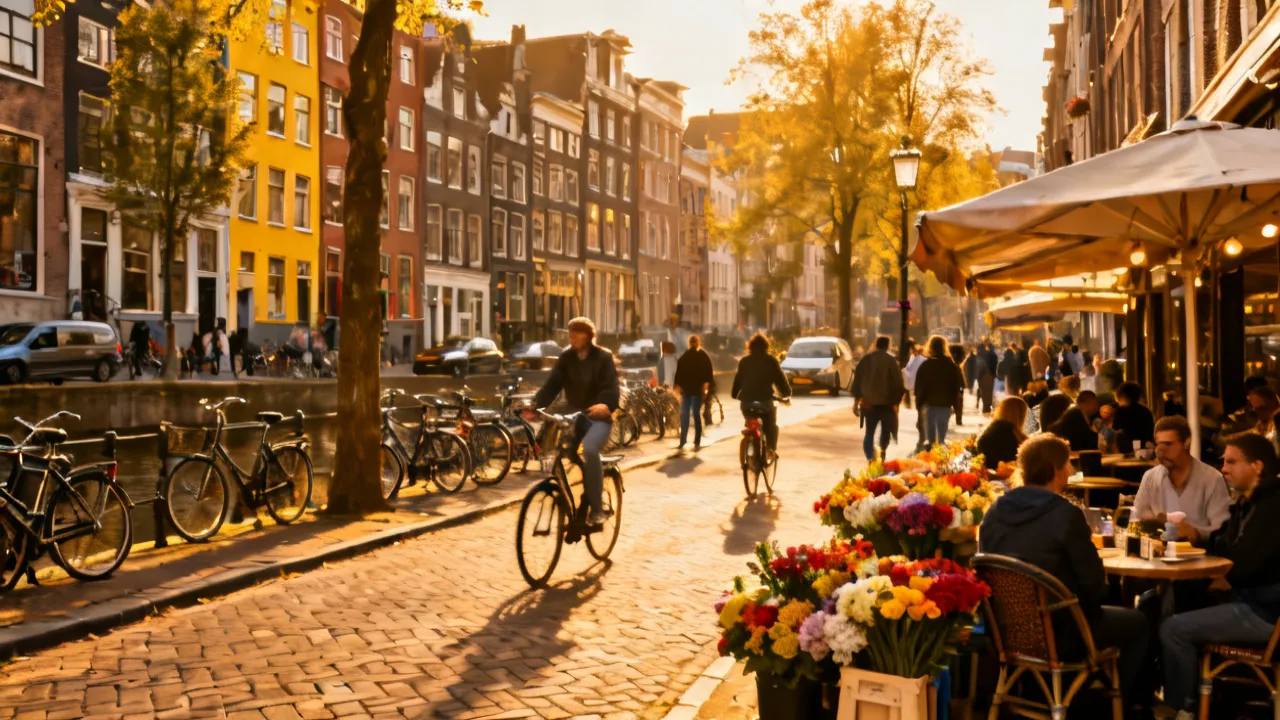
A Closer Look at Amsterdam's Prohibitions
Amsterdam, often celebrated for its open-minded culture and rich historical tapestry, presents a unique mix of progressiveness and regulation. While the city is renowned for its laissez-faire approach, several prohibitions exist to maintain order and uphold social wellbeing. Understanding these prohibitions enhances travelers' experiences and helps locals navigate the nuances of living in this vibrant city.
The Philosophy Behind Amsterdam Prohibitions
At its core, Amsterdam’s regulatory framework reflects the city’s philosophy of harm reduction. Rather than imposing blanket bans, the city seeks to minimize negative societal impacts while allowing a degree of personal freedom. This approach is evident in policies regarding controlled substances, where usage is tolerated within specific boundaries. It highlights a pragmatic attitude toward issues like drug use and public conduct.
This philosophy is deeply rooted in Amsterdam’s historical context. The city has built its reputation on navigating complex social issues with a nuanced understanding, often opting for strategies that prioritize community safety and individual liberties. The harm reduction strategy, in particular, focuses on practical solutions. It seeks to dissuade harmful behaviors without criminalizing the community that engages in them. By doing so, Amsterdam has consistently fostered an environment where dialogue and personal responsibility take precedence over outright prohibition.
Exploring Common Prohibitions in Amsterdam
- Controlled Substances: While Amsterdam is famous for its cannabis culture, the usage of 'hard' drugs remains strictly prohibited. The sale and consumption of marijuana are restricted to licensed coffeeshops, which abide by stringent regulations. These rules require that shops keep a certain distance from schools, enforce age restrictions, and limit the amount of cannabis that can be sold per transaction.
- Public Behavior: To maintain public order, prohibitions also extend to activities such as drunkenness in public spaces, noise disturbances, and littering. The city enforces penalties for such behaviors to safeguard the quality of life for its residents. Those caught violating these regulations can face fines or community service, which not only penalizes the offenders but encourages positive community involvement.
- Environmental Regulations: With a commitment to sustainability, regulations prohibit the excessive use of plastic and enforce waste segregation, aiming to reduce environmental impact. Amsterdam also promotes bicycle use extensively, to reduce traffic congestion and carbon emissions. Public campaigns educate citizens and tourists alike on the importance of eco-friendly practices, reflecting the city’s dedication to preserving its beautiful landscape for future generations.
Regulatory Impact and Cultural Exchange
Amsterdam’s prohibitions play a significant role in shaping its cultural fabric. While they dictate specific behaviors, they also foster a space for cultural exchange and dialogue. The city promotes understanding and appreciation among diverse communities, facilitating coexistence within a framework of respect and mutual acknowledgment. This is particularly evident in the multicultural nature of Amsterdam, where different communities cohabit and bring forward their unique customs and traditions.
Cultural events often reflect this diversity, with festivals celebrating everything from food and music to art and history. Prohibitions around public behavior, in this regard, help to maintain an atmosphere where cultural interactions can thrive without descending into chaos. As various communities coexist, discussions around governance and societal values become rich and diverse, allowing for continuous development of communal norms and practices.
Comparing Prohibition Approaches: Amsterdam and Other Cities
| City | Regulatory Focus | Key Difference |
|---|---|---|
| Amsterdam | Personal freedom balanced with regulation | Emphasizes harm reduction and controlled tolerance |
| Paris | Strict enforcement of public conduct | More conventional with fewer tolerated behaviors |
| Berlin | Cultural freedoms amid historical context | Similar tolerance but varying historical influence |
In examining other global cities, it's noteworthy how each policy framework reflects unique local histories and cultural attitudes. For instance, in Paris, the approach tends to favor stringent regulations that sometimes can appear limiting to personal freedoms. The city’s cultural history, marked by a revolutionary past, leads to a greater emphasis on collective societal interests rather than individual liberties.
On the other hand, Berlin has carved out its identity amid historical context and transformation after reunification. The city exhibits a vibrant culture characterized by artistic expression and nightlife, yet also faces challenges with managing public behavior, particularly in areas with high foot traffic from tourism. This balancing act between maintaining Berlin’s cultural freedoms while ensuring societal regulation creates a dynamic landscape that complements Amsterdam’s philosophy in many ways, while still diverging in their operational focus.
Expert Insights on Amsterdam Prohibitions
From an expert perspective, Amsterdam’s prohibitions reflect a delicate balancing act. While some argue they cultivate a permissive environment potentially conducive to experimentation, others view them as necessary for ensuring societal stability. Experts highlight that a responsive legal framework, informed by ongoing social discourse, is essential for addressing the evolving challenges of urban life.
One prominent scholar in urban studies posits that Amsterdam’s success in managing its regulations stems from a long-standing tradition of civic engagement. Residents and local communities are often invited to participate in discussions about potential changes to regulations, which ensures that policies are not only clear but also reflective of the community's values. Such participatory governance is seen as integral not only to maintaining public order but also in cultivating an environment of trust between authorities and citizens.
Additionally, Amsterdam’s prohibition frameworks are often analyzed in the context of global drug policy trends. Researchers suggest that the city can act as a case study for harm reduction strategies applicable in other regions grappling with drug-related issues. Its unique approach allows academics and policymakers to explore effective ways to deal with drug use, offering a pragmatic alternative to criminalization that emphasizes public health.
Frequently Asked Questions
- Are all drugs legal in Amsterdam? No, only cannabis is tolerated under strict conditions. Other drugs are illegal and regulated heavily. This distinction is crucial for both residents and visitors, as it shapes the community’s perspective on drug use and public health.
- Can tourists engage in cannabis consumption? Yes, but only within licensed coffeeshops. Public consumption is prohibited. Tourists are encouraged to respect local laws which play a significant role in maintaining the city’s public image and quality of life.
- What are the penalties for disruptive behavior? Penalties range from fines to possible detention, depending on the severity and nature of the offense. In some cases, community service may be mandated, which serves as a form of rehabilitative justice rather than punitive action.
- How does Amsterdam manage tourism's impact on prohibition? The city continually adjusts its policies to balance tourism's economic benefits with public order and resident welfare. By carefully monitoring tourist behavior and integrating feedback from community engagement, Amsterdam aims to curate a welcoming environment without compromising the standards that enhance quality of life.
Conclusion
Prohibitions in Amsterdam illuminate the city's distinctive approach to governance, blending cultural openness with necessary regulations. As the city continues to evolve, these prohibitions underscore the importance of informed civic engagement and adaptive policy-making. For visitors, a clear understanding of these rules enhances the enjoyment of Amsterdam’s unique urban landscape while respecting its community values.
Moreover, it’s vital for travelers to appreciate the historical context and philosophy that underpin these regulations. The ability to navigate and engage with the city’s cultural essence goes beyond following laws; it’s about fostering respect and understanding within a diverse urban environment. This understanding not only enriches personal experiences but also contributes to the ongoing dialogue about the balance between liberty and responsibility in modern societies.
As Amsterdam moves into the future, its prohibitions may continue to evolve, reflecting changing social dynamics, economic pressures, and the global context. For locals and visitors alike, staying informed about these changes will enhance both the enjoyment of Amsterdam's vibrant culture and its community’s quality of life. As such, they become more than mere rules—they embody the city’s spirit of resilience, innovation, and community connection.